Search Results
30 results for “feline lower urinary tract disease”
Why Is Your Cat Peeing Frequently? Causes
Frequent trips to the litter box with long squatting, sometimes with blood, signal feline pollakiuria. Causes range from disease and pregnancy to diet, heat, age, and stress; diagnosis and treatment depend on the cause.
Causes and Types of Cat Anemia
Cat anemia arises from poor nutrition, parasites, leukemia or kidney disease, blood loss, bone marrow defects, and poisons such as onions or rodenticide, and is classified as regenerative (blood loss or hemolysis) or non-regenerative (marrow or systemic disease). A vet must identify the type and cause quickly because most underlying diseases have serious complications.

Treatment and Prevention of Stud Tail Dermatitis in Cats
Stud tail is usually mild but recurs and needs ongoing care. Treatment includes medicated benzoyl-peroxide baths, topical antibiotics, neutering, and—if severe—cellulitis care. Prevention centers on diet, hygiene, and neutering.

Why Does Your Cat Have Trouble Urinating?
Difficulty urinating shows as blood in urine, frequent urination, or blockage, mainly from urinary-system problems; without timely treatment it causes great pain. Here we discuss feline urinary disease.

Causes and Treatment of Cat Cystitis
Cat cystitis is a common and painful urinary condition caused by bacterial infection, diet, stress, and environmental factors. Affected cats show frequent, painful urination and cloudy or bloody urine. Treatment combines antibiotics, dietary adjustment, and good litter-box hygiene, with prevention focused on hydration and a clean environment.

Cat Frequent Urination with Small Volume: Causes and Medication
Frequent, small-volume urination in cats is usually a urinary-tract problem — urethritis, cystitis or urolithiasis. Start with a diuretic and a pet-safe anti-inflammatory to ease pain and infection, encourage water intake, and if there is no improvement see a vet to rule out stones blocking the urethra.
Cat Vomits, Urinates Often, and Has Blood in Urine After I Scolded It; Did I Cause It?
Vomiting, frequent urination, and blood in urine suggest lower urinary tract disease, common in males. Stress from scolding can trigger feline idiopathic cystitis.

Which Cat Breeds Tend to Live the Longest?
Some cats are naturally long-lived — Chinese Li Hua, Chartreux, Norwegian Forest Cat, American Shorthair, Balinese, and Siamese often reach 15–20 years. Pair good genes with vaccines, deworming, spaying/neutering, grooming, dental care, exercise, checkups, and quality food to extend your cat's life.
Is Too Much Fat in Your Cat’s Diet Slowly Harming It? Health Risks to Watch
Excess dietary fat overloads a cat's pancreas and can trigger pancreatitis, while chronic overfeeding drives obesity and its downstream risks: diabetes, joint and heart strain, and lower-urinary disease. Sudden anorexia can also push fat to the liver and cause fatty liver disease, and too much fat makes the skin oily, leading to stud tail, black chin, and seborrheic dermatitis. Aim for quality and moderation, not zero fat.
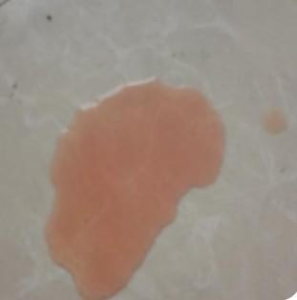
Male Cat Cystitis with Pink Urine: A Recovery Case
A 4-year-old male cat had on-and-off pink, blood-tinged urine—classic of cystitis, urethritis, or crystal irritation of the lower urinary tract, which causes frequent, scanty, painful urination. A diuretic to flush the tract plus an antibiotic for infection, with plenty of water and clean litter, brought normal urine color in about three days. Recurring pink urine, though, deserves a vet check for stones.
- « Previous
- 1
- 2
- 3