Search Results
30 results for “feline lower urinary tract disease”

Feline Idiopathic Cystitis (FIC) in Cats
Feline idiopathic cystitis (FIC) accounts for over half of cats' lower urinary tract disease. It is not stones or infection — the main treatment is water, not prescription diet or antibiotics.

What Is Feline Urolithiasis (Cat Urinary Stones)?
Feline urolithiasis (urinary stones) is a painful lower-urinary-tract disease. Signs are frequent small urine, blood, genital licking, painful cries, and inappropriate urination; a blockage is fatal in 48–72 hours. Treat with catheterization, meds, water, and Rx food.

How to Prevent Urinary Blockage in Cats
Urinary blockage in cats comes from narrow or inflamed tracts, stones, or infections, and can damage kidneys. Prevent it with plenty of water, exercise, and prompt vet care at the first sign of reduced urination.
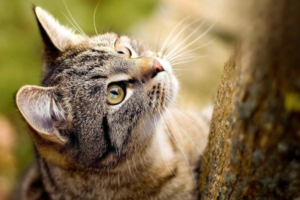
Diagnosing and Treating Feline Idiopathic Cystitis (FIC)
Feline idiopathic cystitis, or FIC, is a common lower-urinary-tract disease in cats whose exact cause is still unknown, yet it is the single most frequent diagnosis in young cats, affecting roughly 50 to 60 percent of cases. It is linked to a defective bladder lining, nerve-driven inflammation, and stress. Because there is no single definitive test, veterinarians diagnose it by exclusion, using the history, urinalysis, blood chemistry, and ultrasound. Most episodes ease on their own within five to seven days, but treatment focuses on pain relief, protecting the bladder lining, litter-box management, more water, prescription food, and reducing stress.
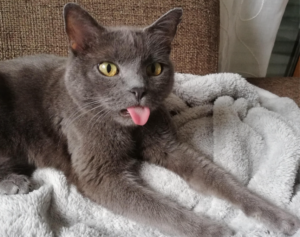
How to Stop Your Cat from Peeing on the Bed
Finding a yellow wet spot on the bed is every cat owner's nightmare. Before anything else, rule out disease: feline lower urinary tract disease (FLUTD) makes urination painful, so cats link the box with discomfort and seek softer spots like the bed. If peeing comes with straining, blood, or constant licking, see a vet. Non-medical causes are a disliked litter box (bad location, poor hygiene, wrong litter, too few boxes in multi-cat homes) and stress or anxiety. Fixes: upgrade the box, scoop twice daily, follow the n+1 rule, ease anxiety with play and pheromone spray, and remove the urine scent with an enzymatic cleaner plus detergent. Most cats return to normal in 2-3 weeks.
Why Is My Cat Suddenly Peeing on the Bed?
A cat peeing on the bed usually means a lingering urine smell on the sheets, a filthy litter box, heat-related spraying, or a urinary-tract disease. Urinary trouble shows as painful, drippy, or bloody urination and can progress to a blockage — an emergency. Treatment ranges from antibiotics (amoxicillin, amoxicillin-clavulanate, ofloxacin) for inflammation to flushing or surgery plus urine-acidifying drugs for stones.

Health Problems in Cats Caused by Poor Nutrition
This article introduces four cat health problems caused by diet. As they say, illness enters through the mouth — true for people and cats. A high-quality, balanced diet is vital to feline health; we hope this sounds a warning for owners to take their cat's nutrition seriously.
Why Does Your Cat Leak Urine?
Why does a cat leak urine? There are many causes, and a cat's urinary tract is complex, so in most cases a vet visit is needed to check. If you cannot get to a clinic right away, you can try the causes below from our experts.

Why Cats Pee Outside the Litter Box: Medical Causes
Inappropriate urination — peeing outside the litter box — is frustrating, but it's often a signal of an underlying medical issue. Here is how to identify the culprit and which conditions your vet will rule out.

How to Tell If a Cat Is Stressed
A cat's mood swings sharply with its environment, and stress ranges from a few days of acute reaction to chronic pressure lasting weeks or months—the chronic kind is the most dangerous. Common chronic triggers include multi-cat conflict, moving, new family members, litter-box problems, diet changes, and shifts in the owner's own routine or stress.
- « Previous
- 1
- 2
- 3
- Next »