Search Results
748 results for “feline infection”

How to Quickly Treat a Cat With Urinary Blockage
Feline urinary blockage is an emergency—caused by urethral stones, urethritis, enlarged prostate, tumors, or stress-induced cystitis—where urine can't pass and the bladder over-distends. Get to a vet fast for IV fluids, catheterization (or bladder tapping), urine tests, and possibly surgery or meds; prevent it with plenty of water, a calm home, and neutering males.
How long does it take to disinfect a home after cat distemper?
Cat distemper requires at least six months of ongoing disinfection to be fully cleared. Use a UV disinfectant lamp to sanitize the home 2-3 times a day, and clean toys, beds and other items the cat touched with a gentle pet-safe disinfectant. Hold off on bringing a new cat home for six months to a year, or only do so after the new cat is fully vaccinated.
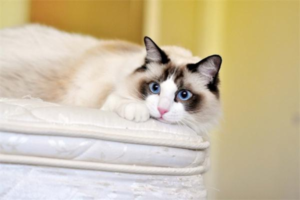
Can an Older Cat Have Surgery for Pyometra?
Pyometra is a life-threatening uterine infection in cats; surgery (ovariohysterectomy) is the definitive cure for both open and closed types. In seniors, higher anesthesia and comorbidity risk means the decision hinges on the cat's health—not age alone—with conservative hormone therapy as a last resort. Spaying is the best prevention.

What Temperature Means a Cat Has a Fever
A cat's normal temperature is 38.5-39.5°C, so 39°C is fine. Over 39.5°C counts as a fever; 40-40.5°C is low, 40.5-41.5°C moderate, and 41.5-42.5°C high. Exercise, heat, and stress can nudge it up, so watch for other symptoms too.

Why Is My Cat’s Eyebrow Hair Thinning or Bald?
A cat's bald eyebrows are often normal—scent glands and age naturally thin the brow fur—but they can also signal parasites, allergies, fungal skin disease, or poor nutrition. Treat the underlying cause (deworm, vet exam), and prevent it with a balanced diet, routine deworming, and a clean, not over-washed, environment.

Why Do Cats Get Entropion
Entropion is when the eyelid folds inward so the lashes rub the eye, causing pain, discharge, and even corneal damage. Causes include breed conformation, spasms, sunken eyes, or injury. Surgery is the lasting fix; mild cases may be temporarily stitched.
My Cat’s Vaccine Spot Is Swollen — Should I Worry?
A small, soft swelling at a cat's injection site is usually normal: it clears within a few days as the vaccine fluid spreads and mild inflammation fades. Be cautious only if the lump grows past 3 cm, lasts over a week, or comes with signs of a serious allergic reaction.
Is a cat that keeps sneezing necessarily suffering from a cold?
Frequent sneezing is not necessarily a cold. It can be irritation from cold air, pollen, dust, or strong odors, a bacterial or chill-induced cold, or feline rhinotracheitis (cat flu). See a vet if it persists.
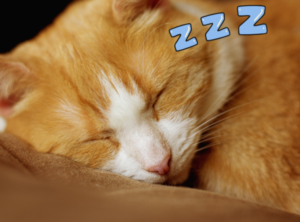
Is It Normal for a Cat to Sleep All Day?
It's normal for a healthy adult cat to sleep 15–20 hours a day (kittens and seniors even more). Most of that is light dozing — only 20–30% is deep sleep. If your cat wakes cheerful and eats normally, don't worry; but sudden lethargy with appetite loss, weight loss, fast breathing, or hiding needs a vet.
Does a cat that keeps sneezing have a cold?
Constant sneezing is not necessarily a cold; it can be irritation from cold air, pollen, or dust, a bacterial infection, or feline rhinotracheitis. Treatment depends on the cause.