Search Results
748 results for “feline infection”
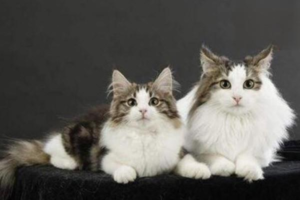
What Can a Cat with Ear Mites Not Eat? Do Ear Mites Need a Special Diet?
Feline ear mites are a parasitic plus bacterial ear infection causing itch, pain, and discharge. Diet needs no special restriction, feed normally, but you may add a B-complex vitamin to support skin immunity. Treatment: deworm, clean the ear, and apply an antimicrobial ear drop. Environment hygiene and regular deworming matter most.
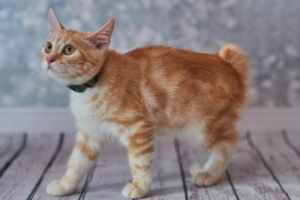
How Long Does It Take for a Cat to Recover from Ringworm?
Recovery from feline ringworm depends on severity, spread, and consistent medication, plus environmental disinfection to prevent reinfection; most cases take about a month. Treatment combines topical antifungals, hygiene and isolation, medicated baths for wide spread, and an Elizabethan collar.

What Causes Stud Tail in Cats?
Stud tail is an endocrine skin condition in cats—excess male hormones drive oily blackhead-like lesions on the tail base, chin, and back. Learn the causes, common breeds, and prevention (neutering, diet, exercise, cleaning).

Gastroenteritis in Dogs and Cats: Types, Symptoms & Medication
Gastroenteritis in dogs and cats spans gastritis (acute/chronic) and enteritis (viral, bacterial, parasitic). This guide covers causes, symptoms, and the medication approach—anti-inflammatories, anti-vomiting, anti-diarrhea, dewormers, probiotics—plus prevention.

Treatment and Prevention of Stud Tail Dermatitis in Cats
Stud tail is usually mild but recurs and needs ongoing care. Treatment includes medicated benzoyl-peroxide baths, topical antibiotics, neutering, and—if severe—cellulitis care. Prevention centers on diet, hygiene, and neutering.

Leaving Stud Tail Untreated Can Lead to Cellulitis
Untreated stud tail in cats can progress from blackheads to folliculitis and even cellulitis—painful, spreading skin infection. This article explains the risk and the treatment steps (cleaning, antibiotics, neutering).

What Is Stud Tail in Cats and How to Treat It
Stud tail (tail gland hyperplasia) is an oily, acne-like skin condition in cats caused by hormone-driven sebum overproduction—common in intact males. Learn its causes and the treatment approach: neutering, antibiotics, and topical cleaning.

Fever in Dogs and Cats: Causes, Detection and How to Reduce It
Fever in dogs and cats can stem from infections or non-infectious issues like heatstroke and post-vaccine reactions. Learn how to take your pet's temperature, recognize fever signs, and safely reduce fever with cooling and vet-approved medication.
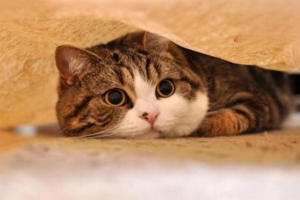
What Ointment Works for Cat Folliculitis
Cat folliculitis is skin inflammation from excess oil clogging follicles. Clean with an alkaline wash, then apply erythromycin ointment; a skin spray and zinc oxide ointment also help. This article details the care.

What to Do When a Cat’s Tail Folliculitis Causes Heavy Shedding
Tail folliculitis in cats, also called 'stud tail,' causes hair loss and redness from overactive sebaceous glands. Treatment means adjusting diet, cleaning, medicated baths, and sometimes neutering. Once the folliculitis clears, the hair grows back.