Search Results
748 results for “feline infection”
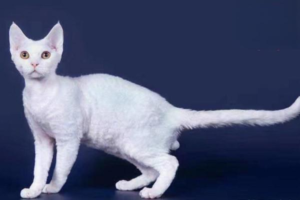
Cold Symptoms and Fever in Sphynx (Hairless) Cats
Sphynx (hairless) cats lack a fur coat and lose heat far more easily, so they catch colds more readily than other breeds. Mild cases with a low fever under 39.5°C can often recover at home with warmth and supportive care, but a cat that won't eat, grows weak, or fails to improve needs prompt veterinary attention.

How to Recognize the Symptoms of a Cat Cold
A cat cold brings red, weeping eyes, nasal congestion, drooling, sneezing, and fever up to 40°C — signs that overlap with feline rhinotracheitis and distemper. Mild cases improve with warmth, good nutrition, and pet-formulated antibiotics, while severe or dehydration cases need a vet.

What Causes Gingivitis in Cats?
Feline gingivitis usually starts with poor oral hygiene but can also trace to nutritional gaps, a wet or sugary diet, oral injury, calicivirus or herpesvirus infection, or systemic illness such as diabetes and kidney disease. Signs include bleeding gums, bad breath, and redness or swelling; a vet visit, professional cleaning, and antibiotics treat it, while regular brushing is the best prevention.

Symptoms and Prevention of Coccidiosis in Cats
Feline coccidiosis causes soft stools, diarrhea, and jelly-like mucus or blood in the feces, hitting kittens with weak immunity hardest. The parasite lives in the small intestine and can cause hemorrhagic enteritis. Catch it with a fecal exam and treat with sulfonamides plus fluids; prevent it through regular deworming, avoiding contaminated soil, and isolating infected cats.
Why Your Cat Vomits Yellow Foamy Liquid
When a cat vomits yellow fluid, there is surely a stomach or intestine problem. There are many causes - mild and severe. Generally causes include gastroenteritis, intestinal parasites, viral infection, and nervous system disease and liver-kidney-pancreas problems. For such complex causes, generally judge by the cat's symptoms to know the reason, so as to treat correctly. Today we discuss several causes of cats vomiting yellow fluid.

Cat Ringworm: Treatment and Prevention
Ringworm is a common feline skin disease, mostly in low-resistance cats. Microsporum canis and Trichophyton are the two main fungi; 90% from M. canis, evolving into irritating ringworm. Here's the detail.

What Is Food Allergy in Cats
Although food allergy is an uncommon problem in cats, it can occur at any age. This article discusses what feline food allergy is, its symptoms, and how to treat it.

What If Your Cat Still Has Soft Stool After Deworming?
Soft stool has many causes: irritating or overeaten food (fragile kitten guts cause poor digestion, soft stool, even diarrhea), parasite infection, early feline distemper, etc. Owners can first give some probiotics to settle the gut.

What Causes Abnormal Bleeding in Cats
Abnormal bleeding in cats is also called feline coagulopathy, occurring when normal bleeding happens due to a clotting disorder. This article explains why cats bleed abnormally.
Cat Grass vs. Catnip: What’s the Difference?
Cat grass (usually rye/wheat) is a safe natural hairball aid rich in folic acid; catnip (a mint) relieves stress and excites cats via nepetalactone but is harmless and non-addictive. About a third of cats don't react to catnip.