Search Results
748 results for “feline infection”

Symptoms of Upper Respiratory Infection in Cats
Feline upper respiratory infection (URI) hits the nose and throat and shows as fever, sneezing, watery eyes, runny nose, red eyes, cough, hoarse voice, poor appetite, and sleepiness. Most cases are viral (herpes or calicivirus) and need antibiotics plus vet care; vaccination is the best prevention, especially for kittens.

Early Signs of Cat Rhinotracheitis (Feline Herpesvirus)
Cat rhinotracheitis, caused by feline herpesvirus-1, is a highly contagious respiratory infection that spreads quickly between cats. Early signs look a lot like a cold — watery eyes, sneezing, nasal discharge, low energy, and poor appetite — but left untreated it can turn serious and even fatal. Isolating a sick cat and seeing a vet promptly are the most important first steps.
My kitten has a fungal infection — how should I treat it?
For a feline fungal infection, apply a vet-recommended antifungal cleanser then a vet-recommended topical skin ointment to the spot. Cat ringworm shows hair loss, scabs, itching, red patches, and dandruff — frequent scratching early, clear skin signs later.

What to Do When Your Cat Has a Respiratory Infection
Feline respiratory infections bring sneezing, nasal discharge, congestion, and coughing, and need prompt care. Mild cases respond to supportive treatment, while yellow discharge points to a more serious upper-respiratory infection.
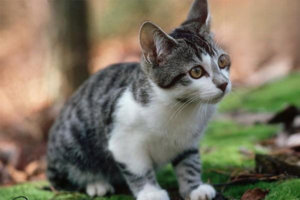
Fever in Cats: Causes and Management
Fever is a reset of the hypothalamic set point that helps the immune system fight infection, whereas hyperthermia is heat overload without a set-point change. Management targets the underlying disease with fluids, antibiotics, and nutrition, using antipyretics only above 41 C because NSAIDs clear slowly and risk kidney toxicity in cats.

What Causes Pancreatitis in Dogs and Cats
Most canine and feline pancreatitis is idiopathic, but clear risk factors exist — breed predisposition, high-fat diets and hypertriglyceridemia in dogs, trauma, surgery, infections, and several drugs. The disease turns deadly when prematurely activated digestive enzymes trigger pancreatitis and then flood the body with cytokines, causing systemic complications.

What Causes Sudden Death in Cats?
Sudden death in cats often stems from hidden disease, since cats are masters at concealing illness until it is advanced. Leading causes include trauma, poisoning, heart disease and clots, kidney or urinary blockage, stroke, severe infection, shock, and blood-sugar extremes.

Cat Cystitis (FIC): Symptoms and Treatment
Feline cystitis — often FIC, or idiopathic cystitis — irritates the bladder and urethra and is usually stress-driven. Watch for straining, frequent small urinations, peeing outside the box, over-grooming the belly, blood in the urine, and hiding or aggression. A male cat that can't pass urine is a blocked and life-threatening emergency. Prevent it with stress control, more water, and a urinary prescription diet.

Causes and Treatment of Cystitis in Cats
Feline cystitis is either bacterial — infection reaching the bladder through the urethra or kidneys — or idiopathic, with no infection involved. Treatment starts with making sure the cat can urinate (unblocking if needed) and calming inflammation with medication, while prevention rests on low stress, plenty of fresh water, and a clean litter box.

What Causes Pancreatitis in Cats?
Feline pancreatitis is one of the most common cat illnesses, striking obese and senior cats most often and frequently traveling with bowel and bile-duct inflammation as a 'triaditis.' It starts when the pancreas digests itself through activated enzymes, and repeated vomiting with no food can slide into dangerous fatty liver, so veterinary care should not wait.