Search Results
28 results for “feline immunodeficiency virus”
How to Tell If Your Cat Has a Fever
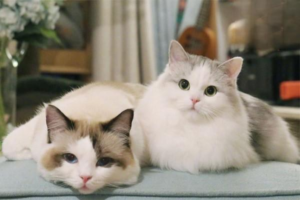
A cat's normal temperature runs 38.0–39.0°C for adults and 38.5–39.5°C for kittens; a hot, dry ear or, more reliably, a rectal reading above 39.5°C signals fever. Short-term cooling (shade, paw-pad wiping, cool towels) helps, but the underlying cause, from infection to pyometra, needs a vet.

What Spay/Neuter Surgery Is — and Why Cats Should Be Neutered
Spay/neuter is a routine surgery that removes a cat's reproductive organs to prevent breeding and curb hormone-driven behavior. Males get a quick scrotal incision; females need a flank or abdominal incision to remove the uterus and ovaries. The benefits include fewer stray cats, lower reproductive-disease risk, and far less spraying, yowling, and fighting.
What Medicine to Give a Cat with a Fever
What should we do if our cat shows fever symptoms? Most owners think of giving medicine, but few know what to give a feverish cat, so they cannot treat the cause and the cat suffers. Here we explain what medicine a feverish cat should take, for targeted treatment.

Which Cat Vaccines Are Optional
Many, but these are non-core vaccines for uncommon diseases; whether to give them depends on the cat's environment. In cat-heavy places with a confirmed case, a newcomer may be vaccinated for safety—or isolation may work better, since some vaccines aren't reliably effective.

Symptoms of Cat Mouth Ulcers
The causes of feline mouth ulcers are complex, and for some cats the cause cannot be identified. Here are the symptoms and underlying causes.

Symptoms and Causes of Diarrhea in Cats
Diarrhea is not a disease itself but a sign of many different illnesses. A healthy cat passes stool daily without trouble, usually one to three times a day. Like human diarrhea, cat diarrhea happens when undigested food moves through the gut too fast, or when too much water enters the stool from the large intestine.

Symptoms of Diabetes in Pets
Just as diabetes affects people, it is affecting more and more pets. Obesity is a factor — over 50% of pets are overweight, raising their diabetes risk. In fact, an obese cat is four times more likely to develop diabetes than a cat at a healthy weight.

Causes and Types of Cat Anemia
Cat anemia arises from poor nutrition, parasites, leukemia or kidney disease, blood loss, bone marrow defects, and poisons such as onions or rodenticide, and is classified as regenerative (blood loss or hemolysis) or non-regenerative (marrow or systemic disease). A vet must identify the type and cause quickly because most underlying diseases have serious complications.

Can Cat Anemia Heal on Its Own?
Cat anemia rarely resolves on its own except in kittens with simple nutritional deficiency, which often improves after diet correction. Most cases, caused by parasites, disease, toxins, or blood loss, require veterinary diagnosis and treatment of the underlying cause, plus nutritional support and, when severe, a blood transfusion.
What Causes Anemia in Cats?
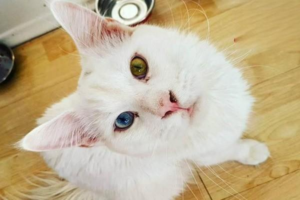
Cat anemia is split into regenerative (from blood loss or hemolysis) and the more common non-regenerative type, where the bone marrow makes too few red cells. Leading causes include leukemia, chronic disease or drug toxicity, iron or B-vitamin deficiency, and kidney failure in older cats.
- « Previous
- 1
- 2
- 3
- Next »