Search Results
28 results for “feline immunodeficiency virus”

Feline Immunodeficiency Virus (FIV): Symptoms, Treatment and Prevention
A cat with FIV shows: chronic stomatitis, gingivitis, fever, weight loss, lymph node inflammation, anemia, diarrhea, and neurological signs. The main transmission route is thought to be bite wounds; experiments also confirm the possibility of placental infection, though not yet proven clinically, and a queen may pass it to kittens via saliva or milk.

Feline Immunodeficiency Virus (FIV): Symptoms, Treatment, and Prevention
Feline Immunodeficiency Virus (FIV), often called 'feline AIDS,' is a chronic retroviral infection of cats first identified in 1987. It weakens the immune system so cats become vulnerable to secondary infections. Unlike human HIV, FIV is not sexually transmitted; it spreads mainly through bite wounds and shared saliva, and infected cats often live a normal lifespan. The virus does not infect humans.

Can Cats Get Leukemia? (Feline Leukemia Virus)
Feline leukemia virus (FeLV) is a usually fatal cat-only infection spread through saliva, bites, and shared dishes — never to people or dogs. There's no cure, but screening, isolation, and good hygiene prevent it.
Feline Stomatitis: The Complete Guide
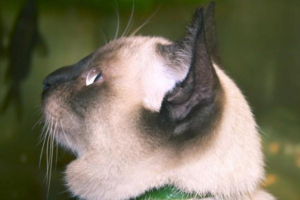
Feline stomatitis is a painful, relapsing inflammation of the whole mouth — gums, oral mucosa, and pharynx — driven by an over-active immune response to plaque and viruses like calicivirus. Signs run from foul drooling and weight loss to a cat that stops grooming and hides in pain; treatment pairs steroids and antibiotics with dental cleaning, and extracting the premolars and molars resolves or greatly eases symptoms in roughly two-thirds of cats.

What Is Feline AIDS (FIV) and What Are Its Symptoms?
The name 'feline AIDS' often confuses people. Its full name is Feline Immunodeficiency Virus (FIV), different from human HIV. Infected cats may show chronic mouth inflammation, fever, weight loss, and more, but it does not spread to humans, dogs, or other animals.

What Is Feline AIDS and Its Symptoms
A cat with feline AIDS is also nicknamed a 'prodigal cat,' and for good reason. This article explains what feline AIDS is and the symptoms a cat shows if infected.
Can Feline AIDS Be Cured?
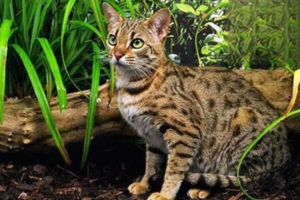
Feline AIDS (FIV) attacks a cat's immune system via bite saliva and is not transmissible to people. There's no cure, but with good care many cats live a normal lifespan. Prevention means avoiding fights and isolating infected cats.

What Is Feline Glomerulonephritis
Feline glomerulonephritis is an immune-mediated kidney disease that most often affects young male cats. It develops when antibody-antigen complexes are filtered and trapped in the glomeruli, the kidney's tiny filtering units. The result ranges from protein-wasting nephrotic syndrome to chronic kidney failure. Recognizing the signs and the treatment goals helps owners act early.

Feline AIDS (FIV): Symptoms and Treatment
Feline AIDS (FAIDS) is a contagious disease in cats caused by Feline Immunodeficiency Virus (FIV), which attacks the immune system and makes cats more vulnerable to other infections.

Can Cat AIDS Be Transmitted to Humans?
Feline AIDS is caused by the feline immunodeficiency virus (FIV), which, like HIV in people, damages a cat's immune system. The reassuring answer is that cat AIDS does not spread to humans; there is no solid evidence of FIV passing between people. Still, the virus is highly contagious among cats, so protect your own cat by keeping it healthy with regular checkups, good hygiene for bowls, and avoiding contact with stray or wild cats. An infected cat carries a high viral load in its saliva and can pass FIV through bites or mutual grooming, and a mother can pass it to her kittens. Among cats, isolate any FIV-positive cat, have it neutered, and limit contact with other pets; test new cats before bringing them home and vaccinate after two months. FIV cannot be cured and is managed supportively, often with no treatment if the cat shows no symptoms beyond indoor isolation, checkups, and quality food, while symptomatic cats get targeted care such as antibiotics, steroids, antivirals, or interferon. With isolation and good care, an FIV cat can live long.