Search Results
34 results for “feline hepatitis”

How to Prevent Feline Diabetes
Diabetes shows up as increased drinking and urination, more frequent eating, weight loss, fatigue, sugar in the urine, and proteinuria. The common treatment is insulin injections, so if you notice these signs, have your cat checked by a vet promptly. Prevention focuses on diet control, regular exercise, and routine check-ups.
What should I do if my cat has hepatitis?
Feline hepatitis treatment depends on the cause, treating the primary disease and symptoms. Viruses, bacteria, parasites, and drug allergies can all trigger it. For liver damage, fluid therapy and antibiotics are generally used to supply glucose and electrolytes, reduce inflammation, and speed recovery.
How is feline ascites treated?
Feline ascites has many possible causes, each needing a different treatment. Clinically, wet FIP, malignant tumors, cholangiohepatitis, and peritonitis can all cause fluid buildup. Early signs are subtle, such as lethargy and reduced appetite, later followed by a gradually enlarging abdomen and difficulty walking.

Diseases with Symptoms Similar to Feline Liver Failure
Liver failure is an abnormality that occurs when the liver is affected by impaired blood flow, reduced oxygen supply, hepatotoxic drugs or chemicals, excess heat, or infectious agents. Liver failure can occur in dogs and cats of all ages and breeds. It may affect multiple organ systems, including the liver and gallbladder, nervous system, gastrointestinal tract, and blood system. Affected pets may show various symptoms, including anorexia, lethargy, depression, vomiting, diarrhea, seizures, abdominal fluid accumulation, bleeding, and jaundice (yellowing of the skin).
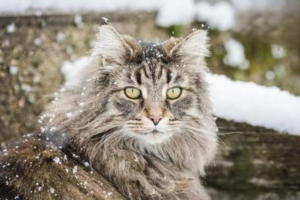
What Is Feline Panleukopenia?
Panleukopenia is a fast, fatal-sounding viral disease — but fear comes from not understanding it. Infection needs three things: a source, a route, and low immunity, so even a cat that never goes out can be at risk.

Acute Pancreatitis in Cats and Dogs
Acute pancreatitis is self-digestion of the pancreas by its own enzymes, striking dogs far more often than cats and showing as sudden belly pain, shock, and peritonitis. Triggers range from bile-duct blockage and fatty meals to infections and certain drugs; treatment focuses on shutting down pancreatic secretion, controlling infection and pain, and correcting fluids — and the hemorrhagic form carries a guarded prognosis.

What to Do About High Total Bilirubin in Cats
High total bilirubin in cats shows as jaundice - yellowed skin, conjunctiva, and oral mucosa. It usually appears when the liver is diseased.
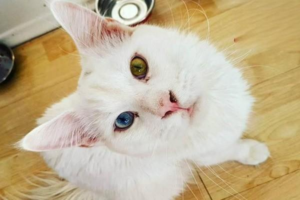
Why Cats Develop Fatty Liver Disease
Fatty liver in cats is almost always a sign of an underlying problem — a hidden illness, obesity, diabetes, or stress from big changes. Cornell research found most cases are linked to other diseases. The disease is split into secondary (caused by another condition) and primary (cause unknown), but both progress the same way and need the same treatment.

Symptoms and Treatment of Common Viral Infectious Diseases in Dogs and Cats
Viruses need host cells to multiply, then spread via blood and lymph causing infection. Here are common viral diseases in dogs and cats.

Can Cats Get Fatty Liver Disease?
Fatty liver, or hepatic lipidosis syndrome, is the most common liver disease in cats; obesity is the main trigger. It is highly fatal, so treat promptly. Here we introduce symptoms and treatment.
- « Previous
- 1
- 2
- 3
- 4
- Next »