Search Results
34 results for “feline hepatitis”

Feline Hepatitis and Gastroenteritis: Symptoms and Treatment
Feline hepatitis and feline gastroenteritis are different conditions. Feline hepatitis is caused by viruses, parasites, immune-mediated factors and the like, and may involve the bile ducts, forming cholangiohepatitis. Gastroenteritis, on the other hand, is inflammation of the gastrointestinal tract that leads to vomiting and diarrhea, mainly caused by Escherichia coli and Campylobacter infections; other causes include stress, overeating, and sudden temperature changes.

Symptoms of Feline Jaundice Hepatitis
Cat jaundice is the typical sign of feline hyperbilirubinemia. Jaundice hepatitis mainly includes acute toxic hepatitis, cirrhosis, fatty liver, cholangiohepatitis, diabetes, tumors, and viral infections such as FIP and feline leukemia.
What to Do When Your Cat Has Hepatitis
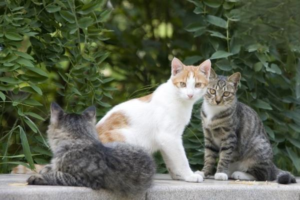
Feline hepatitis disrupts digestion, mood, and appetite, with early signs ranging from vomiting and pale stools to fever and abdominal discomfort. Recovery hinges on a quiet space that lets the liver heal, a liver-supportive diet, and antibiotics chosen for low toxicity to the liver.
How Contagious Is Feline Panleukopenia?
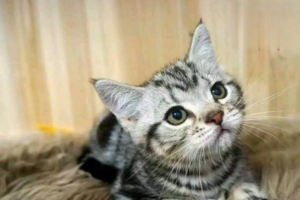
Feline panleukopenia (cat distemper) is a highly contagious parvovirus, with infection rates up to 70% in cats under a year and mortality up to 80–90% in young kittens. Vaccination and a clean, disinfected environment are the best defenses.

Diet Tips to Help Prevent Cat Hepatitis
Many illnesses enter through the mouth, and cat hepatitis is linked to poor diet. Adjusting what and how your cat eats can lower the risk of diet-related liver disease. Here are practical diet tips.

Feline Primary Hepatic Jaundice
Feline primary hepatic jaundice is directly caused by too much bilirubin in the blood, which happens when the liver's metabolism or excretion goes wrong. Many things can disrupt liver metabolism - here is the breakdown.

Causes and Symptoms of Acute Hepatitis in Cats
Acute hepatitis in cats shows as vomiting, fever, poor appetite, weight loss, and yellowed skin (jaundice). Causes range from viruses and bacteria to heart failure, toxins, and drug allergies. Here is a detailed look.

Understanding Cat Chronic Hepatitis
Many owners panic when a cat is diagnosed with chronic hepatitis, fearing they will lose their pet. In fact it is not a death sentence and can be cured - the earlier treatment starts, the faster the recovery. Here is what chronic hepatitis really means.

How to Treat Cat Jaundice Hepatitis
For cats with jaundice hepatitis, a conservative approach combines Western and traditional medicine: Western treatment acts faster but has stronger side effects, while herbal treatment is slower but gentler on recovery. Here is how to manage it at home and with your vet.

Feline Hypoglycemia (Low Blood Sugar)
Hypoglycemia is a syndrome, not a disease itself — it's a symptom of an underlying problem. In cats it's usually driven by hunger (especially kittens), fatty liver, glycogen storage disease, sepsis, or serious liver disease. Mild cases show weakness and drowsiness; without treatment it can be fatal, so owners shouldn't dismiss a lazy cat as just tired.