Search Results
147 results for “feline enteritis”

How to Avoid Buying a Sick ‘Week Cat’ (Kitten That Dies Within Days)
Today: 'week cats' - kittens that die days after coming home. What is behind it, and how to avoid buying one?

Common Gastrointestinal Diseases in Cats
Many diseases can affect the gastrointestinal (GI) tract. Symptoms such as vomiting or diarrhea are common in GI disorders. Regurgitation (the effortless expulsion of stomach fluid, mucus, and undigested food from the esophagus) is frequent in esophageal disease.

What Is Canine Parvovirus?
Canine parvovirus (CPV) is a single-stranded DNA virus that hits unvaccinated dogs of any age; CPV-2 is the most virulent and a leading cause of severe puppy enteritis. It spreads by fecal-oral contact, resists the environment for months to years, and causes vomiting, bloody diarrhea, and dehydration. Vaccination is key.
Why Does a Cat Get Panleukopenia After a Dewormer?
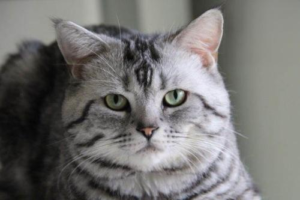
Deworming medicine does not cause panleukopenia—the two are unrelated, and any illness reflects the kitten's own condition, so watch its health closely. Dewormer upset usually shows as vomiting from gut irritation and settles with probiotics, while true panleukopenia is a separate, serious viral disease.

Do Ragdoll Cats Get Diarrhea Easily?
Ragdolls have more sensitive stomachs than the average cat, so diarrhea is common. Causes range from spoiled food and stress to parasites and, in severe cases, panleukopenia—most mild cases settle with brief fasting, but vomiting with blood or lethargy means a vet visit.
Why Your Cat’s Diarrhea Is Yellow-Ochre
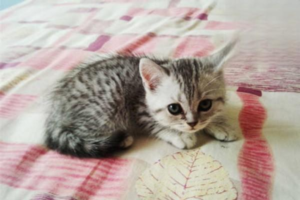
Yellow-ochre diarrhea can be as simple as gulping yellow kibble too fast, but it may also signal parasites, bacteria, poisoning, or feline distemper. If the cat is otherwise bright, digestion or stress is likely; if it's weak with fever, see a vet at once.

What to Do When Your Cat Has Watery Diarrhea
Watery diarrhea in cats can signal anything from routine enteritis to serious feline panleukopenia, and the right treatment depends on the underlying cause. Bloody stool, vomiting, fever or weakness means urgent veterinary care. Supportive care at home helps only once the cause is identified.
- « Previous
- 1
- …
- 13
- 14
- 15