Search Results
68 results for “feline diabetes”

Canine and Feline Cataract: Symptoms, Treatment, and Prevention
Cataract is clouding of the lens in dogs and cats—often in old age or from diabetes, glaucoma, or toxins—that blurs and can destroy vision. Medicines help early stages, but surgery is the main cure.
How to adjust insulin for a diabetic cat based on a glucose curve?
Feline diabetes requires a vet to adjust insulin based on repeated glucose readings combined with weight and fructosamine, producing a dose from a clinic glucose curve. Owners then inject at home per the plan and monitor weekly, or use a home glucometer under veterinary guidance. The curve is typically started 7 to 14 days after beginning or changing insulin.
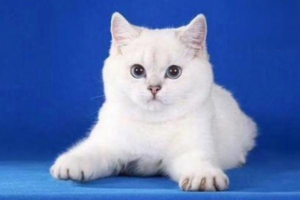
How to Help an Overweight Cat Lose Weight
An obese cat faces diabetes, heart strain, and arthritis from the extra load. Slim it down with scheduled small meals, a cut in kibble and meaty toppers, more play (a wand toy for 15–30 minutes daily), and a high-fiber weight-management food that satisfies without many calories. If obesity brings concerning symptoms, see a vet.

What Causes Abnormal Bleeding in Cats
Abnormal bleeding in cats is also called feline coagulopathy, occurring when normal bleeding happens due to a clotting disorder. This article explains why cats bleed abnormally.

What to Do About an Overweight Cat
Many owners want a plump cat, but when it's round as a ball, they worry. Overweight is surely bad for cats.
How Long Can a Diabetic Cat Live?
A diabetic cat's lifespan depends on how well the disease is controlled. It needs lifelong insulin; well-controlled cats live long, untreated ones may die in days.

Hair Loss and Excessive Urination? Symptoms of Hormonal Imbalance in Cats
Feline hormonal (endocrine) imbalance is not one disease but a sign of disorders such as hyperthyroidism, diabetes, Cushing's syndrome, or hypothyroidism. Hyperthyroidism brings ravenous appetite with weight loss, thirst, and overactivity; diabetes causes the 'three polys plus weight loss' and weak hind legs; hypothyroidism shows as lethargy, weight gain, and a dry, thinning coat. See a vet for blood and urine tests if you notice these signs.

How Weather Affects Your Cat’s Mood and Health
Cats feel weather as keenly as people do, storms, cold, heat, and humidity all shift their mood and health. Watch for heatstroke and hypothermia in extremes, and keep the home between 20 and 25 C with sun, warmth, and steady routine.

Why Is Your Cat Suddenly Limping?
Sudden lameness in cats can stem from injury, arthritis, hip dysplasia, or even aortic thromboembolism. Catch it early, get a proper diagnosis, and manage weight, joints, and environment for better recovery.

Why Is My Cat Having Diarrhea Again?
Diarrhea is loose or unformed stool from food moving too fast through the gut to absorb water and nutrients, and it can be acute or chronic. Causes range from infections, parasites, and diet changes to stress and underlying gut disease; at home, keep water available, feed small frequent easily digested meals, and use smectite or pet probiotics for mild cases — but see a vet for blood, fever, lethargy, or ongoing diarrhea in an unvaccinated cat.