Search Results
57 results for “feline diabetes”

Feline Hypoglycemia: Causes and Treatment
Hypoglycemia in cats shows as weakness, stumbling, seizures, and partial numbness. Kittens crash from cold, hunger, or poor absorption; adults from stress or over-exercise; seniors from insulin-producing tumors; diabetic cats from wrong insulin doses. Treatment restores sugar and addresses the underlying cause, with small frequent meals for prevention.

Feline Hypoglycemia (Low Blood Sugar)
Hypoglycemia is a syndrome, not a disease itself — it's a symptom of an underlying problem. In cats it's usually driven by hunger (especially kittens), fatty liver, glycogen storage disease, sepsis, or serious liver disease. Mild cases show weakness and drowsiness; without treatment it can be fatal, so owners shouldn't dismiss a lazy cat as just tired.

Bad Habits That Put Cats at Risk of Diabetes
Feline diabetes is on the rise, and a cat's diet and feeding routine matter far more than genetics. The main driver is excess glucose from starch-heavy low-quality kibble, irregular meal timing, over-reliance on automatic feeders, and overfeeding that leads to obesity. Consistent, portion-controlled feeding habits are the key to prevention.
How long until a cat’s diabetes is cured?
Feline diabetes cannot be cured, only managed by diet and medication. Insulin is given frequently per the cat's condition and glucose. Learn injection from a vet and use prescription diabetic food to control it.

What Is Diabetes in Cats?
Feline diabetes develops when a cat's body makes too little insulin or responds poorly to it. Without enough insulin, excess sugar spills into the urine and cells starve, sometimes producing toxic ketones. Signs include ravenous appetite with weight loss, dull coat, excessive drinking and urination, and sweet-smelling urine. Diagnosis uses blood and urine tests, while treatment centers on insulin injections, lifelong in most cases. With careful monitoring, diabetic cats can live comfortably for years.
Why Does My Cat Always Lie Down? Understanding Feline Arthritis
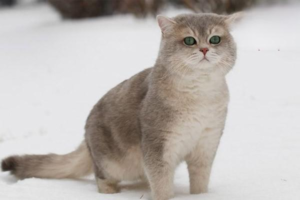
If your cat spends most of its time lying down, walks with a limp, or refuses to be touched on the hind legs, it may be suffering from arthritis—a condition that affects up to 90% of cats as they age. Arthritis is the inflammation and degeneration of joint cartilage, most often secondary (degenerative) arthritis, which worsens as cats grow older. Cats are masters at hiding pain, so signs like reluctance to jump, reduced grooming, increased sleeping, and irritability can easily go unnoticed. Causes include aging, genetics, obesity, injury, and acromegaly. Treatment combines veterinarian-supervised medication (NSAIDs such as meloxicam), weight management with omega-3 and glucosamine supplements, and environmental adjustments like steps and soft bedding. Prevention starts with a healthy diet and keeping your cat lean.

Canine and Feline Cataract: Symptoms, Treatment, and Prevention
Cataract is clouding of the lens in dogs and cats—often in old age or from diabetes, glaucoma, or toxins—that blurs and can destroy vision. Medicines help early stages, but surgery is the main cure.
How to adjust insulin for a diabetic cat based on a glucose curve?
Feline diabetes requires a vet to adjust insulin based on repeated glucose readings combined with weight and fructosamine, producing a dose from a clinic glucose curve. Owners then inject at home per the plan and monitor weekly, or use a home glucometer under veterinary guidance. The curve is typically started 7 to 14 days after beginning or changing insulin.

What Causes Abnormal Bleeding in Cats
Abnormal bleeding in cats is also called feline coagulopathy, occurring when normal bleeding happens due to a clotting disorder. This article explains why cats bleed abnormally.

What to Do About an Overweight Cat
Many owners want a plump cat, but when it's round as a ball, they worry. Overweight is surely bad for cats.