Search Results
134 results for “feline conjunctivitis”
My cat has increased eye discharge. What should I do?
Per the image, heavy discharge with red conjunctiva/eyes—put on an Elizabethan collar to prevent scratching, use anti-inflammatory eye drops, wipe discharge daily with tissue to keep dry. If repeated tearing, likely feline herpesvirus (cat flu) causing conjunctivitis, tearing, photophobia—need PCR respiratory test; if confirmed, use antivirals and eye drops.
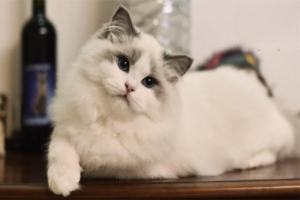
Why Does Your Cat Have One Eye Smaller Than the Other?
A cat with uneven eyes is not always sick; it can be genetic, or from feline herpesvirus (cat flu), an irritant, injury, heat, or an eye disease like conjunctivitis. Match the sign to other symptoms and see a vet if infection is likely.
A stray cat with a black face and pus from the eye corners
From the photo, heavy eye/nose discharge and black face likely result from bacterial, fungal or viral (mixed) infection. Strays are usually unvaccinated and prone to respiratory disease; chronic discharge causes crusting and blackening and eye pus—test for herpes and calicivirus. Fungal infection causes hair loss, crusts; clean with saline and apply cat antibiotic eye drops/ointment, and use an Elizabethan collar.
What is wrong with my cat’s eyes?
With limited info the exact issue can't be determined, but common signs are: tearing (irritation, blocked tear ducts, infection); redness/swelling (injury, conjunctivitis, keratitis); cloudiness (corneal ulcer, cataract); protruding eyes (hyperthyroidism, hypertension, glaucoma).
Eyes Are Red and Swollen, but Appetite Is Normal, the Cat Is Active, Nose Is Wet, No Fever
Red, swollen eyes with a wet nose are likely conjunctivitis from bacterial or viral infection. Clean the eye discharge and use a pet eye drop with neomycin or lysozyme, applying four to six times daily.
My cat has severe tear stains, eyes nearly swollen shut, and lots of thick eye discharge
Heavy eye discharge first suggests bacterial/viral infection or a blocked tear duct; a vet should run tests. At home, flush with saline and apply neomycin drops; use an e-collar if it scratches. Persistent cases may be viral (herpes/calici) needing antivirals.

What to Do When Your Cat Has Mouth Sores (and Which Medicine to Use)
Mouth sores in cats are often caused by calicivirus or dental disease. If eating is affected, see a vet to confirm the cause before medicating, to avoid dehydration and low blood sugar from prolonged fasting.
My cat has constant clear eye discharge that I can’t wipe away and sometimes glues the eye shut
The photo shows conjunctivitis, with causes including bacterial, herpesvirus, chlamydia, or mycoplasma infection. Bacterial cases need anti-inflammatory eye drops and oral antibiotics with an Elizabethan collar, recovering in about a week; herpes-driven cat flu needs longer antiviral and immune-support treatment, possibly 2-3 weeks or lifelong.
My kitten arrived 8–9 days ago, sneezes with a little discharge but still eats, drinks, plays, and sleeps; today’s test found calicivirus, mycoplasma, and Bordetella—is he going to be okay?
If a kitten tests positive for calicivirus, mycoplasma, and Bordetella but only sneezes with slight discharge while still eating, drinking, and playing, it is generally not life-threatening. These are common upper-respiratory pathogens—calicivirus can cause runny nose, stomatitis, and conjunctivitis and may be carried for life, while Bordetella can cause cough and breathing trouble. Follow the vet's treatment and give a warm, dry, clean environment with good nutrition.
Kitten has no energy at all and will not eat or drink
A kitten with pus from the eyes, no appetite, and very low energy may have a serious infection. Eye inflammation, respiratory infection, or digestive disease are possible causes.