Search Results
134 results for “feline conjunctivitis”
What causes reddish-brown eye discharge in cats?
Reddish-brown eye discharge can come from irritants or bacterial conjunctivitis/keratitis after injury or infection — flush with saline first, then use antibiotic drops and ointment; see a vet if severe to protect vision. It can also mean the cat is 'overheated' from a salty diet and low water intake, needing a diet fix and daily cleaning. Feline rhinotracheitis (cat flu) can also cause it, with runny nose, fever and appetite loss — see a vet.

Why Do Cats Get Entropion
Entropion is when the eyelid folds inward so the lashes rub the eye, causing pain, discharge, and even corneal damage. Causes include breed conformation, spasms, sunken eyes, or injury. Surgery is the lasting fix; mild cases may be temporarily stitched.
Do Cats Cry?
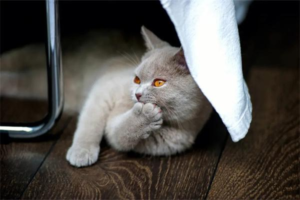
Cats do produce tears, but tearing is rarely from sadness—most often it's flat-face anatomy, eye disease, food, irritants, or smells. True emotional crying is rare. Wipe the eyes clean, rule out irritants or illness, and see a vet if tearing persists.
What disease is FHV in cats?
FHV stands for feline herpesvirus — the pathogen of cat flu (feline rhinotracheitis). Many cats carry it without symptoms; it flares when immunity drops and is highly contagious.
Why Does Your Persian Cat Keep Tearing Up
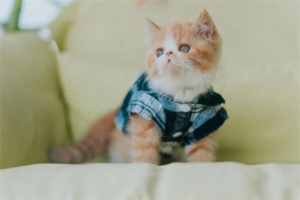
Persistent tearing in Persian (Exotic) cats can have several causes. Their short nasal passages and shallow eye sockets make mild tearing normal, but blocked tear ducts, structural gland issues, conjunctivitis, keratitis, injury, or foreign particles can all increase eye discharge. Diet also plays a role: salty food and low water intake lead to internal heat and heavy tear staining. If tearing continues or comes with redness, fever, poor appetite, vomiting, or diarrhea, see a veterinarian for diagnosis and treatment.

Can Cat Flu Leave Lasting Effects After Recovery?
Feline rhinotracheitis (cat flu), caused by feline herpesvirus FHV-1, cannot be cured—the virus hides for life in the trigeminal ganglion and can reactivate whenever the cat is stressed, the season changes, or immunity dips. Most cats recover and live normally, but some are left with mild, manageable effects: a sensitive nose that drips in cold or dusty air, heavier tear staining from narrowed tear ducts, or—in high-risk cases—repeated flare-ups that can progress to chronic bronchitis or pneumonia. Good care (warm stable surroundings, humidity control, stress avoidance, balanced nutrition with lysine and vitamins, and regular vaccines) keeps recurrence rare. This article explains the sequelae, why only some cats get them, and how to minimize repeat episodes.

What to Do About White Discharge in Your Cat’s Eye
White discharge usually signals an eye infection such as conjunctivitis, keratitis, or blepharitis, so identify the cause early. Discharge at the corner often means conjunctivitis—check for sneezing, runny nose, or fever, which point to a viral infection needing a vet; a white film over the eye needs prompt clinic care. At home, clean gently with saline, apply pet-specific antibacterial drops (neomycin sulfate, chloramphenicol, levofloxacin), boost vitamins A and C, and keep the environment clean. If no improvement in a few days, see a vet.

What Diseases Does the FVRCP Cat Vaccine Prevent?
The FVRCP vaccine, commonly called the cat triple vaccine, protects against three contagious feline diseases: feline viral rhinotracheitis (FVR), calicivirus (FCV), and panleukopenia (FPV, or feline distemper). It greatly lowers infection risk but is not a full guarantee. Kittens can start at eight weeks, need two to three shots three to four weeks apart, and then an annual booster. Sick or pregnant cats should not be vaccinated.
Why Does My Cat Have Uneven Eye Size?
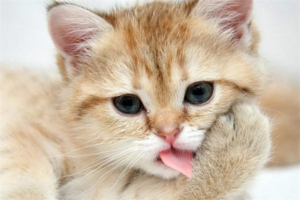
A cat with one eye larger than the other is common and can be genetic, but if it appears later it usually points to irritation, inflammation, feline herpes, injury, or heat. The right response depends on the cause, so judge by the situation. If a foreign object is the culprit, gently clearing it often restores the eye quickly. Eyelid inversion may need surgery, so see a veterinarian. Other causes include eye disease such as conjunctivitis or keratitis, feline rhinotracheitis with discharge and sneezing, trauma, and diet-related heat that responds to lighter food and more water.

Why Does Your Cat Have Heavy Tear Stains?
Those dark streaks under a cat's eyes are more than cosmetic; they signal an underlying issue. Tear staining can come from structural problems like ingrown lashes and blocked ducts, from infections and parasites such as eye disease, ear mites, or eye worms, or simply from a salty diet. Understanding the cause is the first step to clearing the stains and keeping your cat comfortable.