Search Results
623 results for “feeding guide”

Preventing and Treating Rabbit Colibacillosis (E. coli)
Rabbit colibacillosis is an explosive, high-mortality intestinal disease, especially in 1–4 month kits. This guide covers symptoms, necropsy findings, diagnosis, prevention, and oxytetracycline/streptomycin treatment.
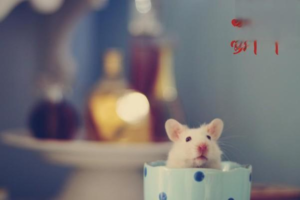
How to Cool Down (Reduce ‘Heat’) a Hamster
A diet high in calories and carbs can make a hamster 'overheated' (internally inflamed), showing as protruding eyes, hair loss, and bloody urine. This guide covers causes and dietary fixes—cutting seeds and mealworms, more water, and chrysanthemum or dandelion in the water.
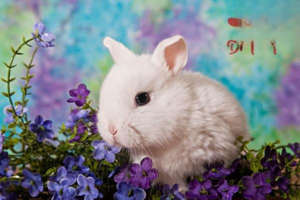
Good Ways to Get Your Rabbit to Return to Its Cage
Rabbits kept caged too long crave the outside and resist returning. The solution is to build a fixed out-and-back routine, use food motivation, avoid unfamiliar scents, and keep the cage clean. This guide explains each step.

Can You Make Hamster Chew Sticks at Home?
Hamsters are rodents and must chew to keep teeth from overgrowing. This guide gives a simple homemade chew-stick recipe plus an overview of common commercial chew tools—apple branches, sweet bamboo, and grass rings.

Lop-Eared Rabbits: Pros and How Much They Cost
Lop-eared rabbits are gentle, low-maintenance pets that suit first-time owners. This guide covers their calm temperament, lower upkeep costs, trainability, and styling versatility, plus typical pricing.

How to Bond with a Newly Adopted Rabbit
Newly adopted rabbits are naturally timid and need time to adjust to you and their new home. Rushing contact can cause stress and shock. This guide explains how to earn your rabbit's trust gradually through patience, safe spaces, gentle handling, and positive reinforcement.

How to Correct Your Dog’s Habit of Eating Too Fast
Eating too quickly is an unhealthy behavior in dogs and can lead to serious digestive conditions such as gastric dilation and bloat (gastric torsion). This guide explains why dogs bolt their food and offers practical training methods—slow-feeder bowls, smaller and more frequent meals, and food enrichment—to help them slow down.

How to Support a Cat with a Sensitive Stomach
Some cats have notoriously delicate digestions—the so-called glass stomach—prone to soft stools, diarrhea, and vomiting. The key to managing it is diet. Choose a limited-ingredient, single-protein hypoallergenic food, feed small meals several times a day, and always transition new food over seven days. Pet-specific probiotics (mixed into water below 40°C so the live cultures survive) help rebalance gut flora, while a calm, low-stress home prevents flare-ups. If symptoms persist or worsen, a vet check and possibly a prescription gastrointestinal diet are the right next steps.
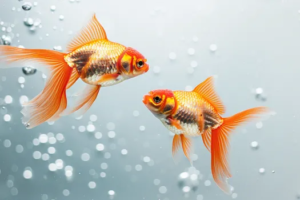
Goldfish Habits and Types
Goldfish are lively but gentle, omnivorous, and easy to school - but watch density to avoid fouled water and low oxygen. They are cold-blooded and can't take sudden 5C+ swings; best growth is 20-28C, and they like slightly alkaline water (pH 7.5-8.0). Main types: grass, wen, dragon (pop-eye), and egg (no dorsal fin).

What Do Pet Rabbits Eat, and What Equipment Do You Need?
Rabbits eat mainly rabbit pellets, alfalfa, and timothy hay, and must always have water. You'll need a cage, ball-tip bottle, food bowl, hay rack, and litter box, plus pads, deodorizer, and chew toys. This article gives a simple guide to rabbit care.