Search Results
623 results for “feeding guide”
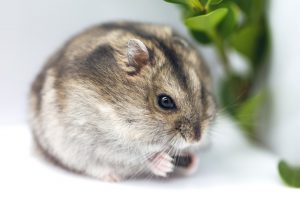
Winter White Dwarf Hamster
The Winter White Dwarf Hamster (Phodopus sungorus), also called the Djungarian hamster or Russian dwarf, is the easiest and tamest of the small hamsters and turns white in winter. A solitary species, it needs a safe cage, a wheel, and a careful diet free of onion, chocolate, and apple seeds. Lifespan 2–3 years.

Red-breasted Parakeet
The Red-breasted Parakeet (Psittacula alexandri), also called the Moustached Parakeet, is a common, green-plumaged pet parrot prized for its ability to mimic speech. Talking takes patient training, and sexes differ in beak and throat color. It needs a roomy cage or a tether, a varied diet, and an owner willing to invest time.

Yellow-crested Cockatoo
The Yellow-crested Cockatoo (Cacatua sulphurea), also called the Lesser Sulphur-crested Cockatoo, is a medium white parrot with a yellow crest. Prized for its looks, it has been heavily trapped and is now listed as Critically Endangered. Loud, social, and highly trainable, it needs a large cage, chew-proof toys, and an owner with real time to spare.

Leiothrix argentauris
The Leiothrix (xiang si niao, or 'lovebird' of the bird world) is a small, vivid-plumaged songbird kept in pairs. Two species are kept — the silver-eared mesia (Leiothrix argentauris, sweet call) and the red-billed leiothrix (bright red beak). Omnivorous and bath-loving, it needs fresh air, draft-free indoor housing, and a varied diet. Lifespan 4–5 years.

Anglo Mink
The Anglo Mink is the domesticated pet ferret (Anglo / Marshall lines) kept as a companion animal. Intelligent, gentle, and easy to litter-train, it is heat-sensitive and mischievous when unwatched, needs a large wire-free cage and 4+ hours out daily, and eats a meat-based diet (30–35% protein, 15–20% fat). Lifespan 8–12 years.

Angora Rabbit
The Angora Rabbit is the fluffy 'grass-mud rabbit' kept for its superfine wool (11 microns, finer than cashmere). Gentle but high-maintenance, it needs shearing every 3–4 months and constant hay to avoid deadly wool block (hairball impaction). Lifespan about 5–7 years.

Dutch Rabbit
The Dutch Rabbit is a small, distinctly marked pet rabbit with a white inverted-V on the face and a sharp color split between front and back. Gentle, smart, and nearly odorless, it needs timothy hay, a chew stick, steady 25–32°C, and a wire-free, dry cage. Lifespan about 5–7 years.
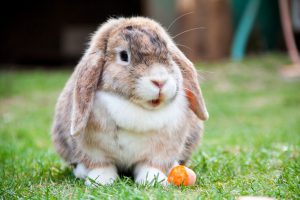
Lop Rabbit
The Lop Rabbit — one of today's most popular pet rabbits — is named for its ears that hang down. Gentle, small, and people-friendly, it is short-lived (usually 5–7 years) and heat-sensitive, needs daily grooming of its dense coat and drooping ears, and must never be picked up by the ears.

LionHead Rabbit
The LionHead Rabbit is a small, gentle pet rabbit named for the ruff of long fur around its head that looks like a lion's mane. Originating in Belgium and bred in the Netherlands and US, it is sturdy and clean, needs daily coat care and a wire-free cage, and lives 5–7 years.

Plecostomus
The Plecostomus — the 'sucker fish' or 'garbage fish' — clings to glass and plants scraping algae, but it is no miracle cleaner: it eats prepared food, nibbles slow tankmates, and makes heavy waste. A scaleless, salt-sensitive tropical catfish from South America, it needs soft, warm water and lives 8–10 years.