Search Results
77 results for “feed safety”
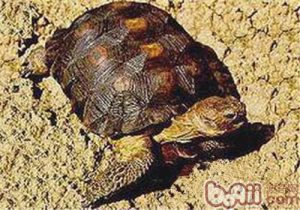
Bolson Tortoise
The Bolson Tortoise (Gopherus flavomarginatus) is the largest of North America's four remaining tortoises, native to the Mapimi Basin of the Chihuahuan Desert in Mexico. Exceptionally long-lived but with very low wild survival, it is rarely traded and depends on burrow-dwelling for safety.

Philippen’s Stripe-necked Turtle
Philippen's Stripe-necked Turtle (Ocadia philippeni) is a large striped-neck turtle endemic to Hainan, China, resembling the Chinese stripe-necked turtle but with a larger carapace. Sensitive to temperature swings, it is omnivorous and fairly easy to keep, though wild individuals are scarce and often mislabeled as the Chinese stripe-necked turtle.

Banded Krait
A strikingly banded, highly venomous elapid of southern China and Southeast Asia - beautiful but dangerous; not a pet and a poor choice for novices.

Skin Disease in Collies and Other Herding Breeds: Why Medication Must Be Chosen Carefully
Collies and related herding breeds often carry an MDR1 gene mutation that prevents normal drug clearance, making them dangerously sensitive to certain parasiticides such as ivermectin. Skin problems are treated as in any dog, but parasite control and other medications must be chosen with a veterinarian to avoid toxicity.

Persistent Right Aortic Arch in Dogs
Persistent right aortic arch is a congenital blood-vessel defect in which an embryonic arch presses on the esophagus and blocks passage of solid food. Affected puppies are hungry but regurgitate after eating. Early surgery relieves the obstruction.

Pharyngeal Paralysis in Dogs and Cats: Symptoms, Treatment, and Prevention
Pharyngeal paralysis is loss of swallowing function in dogs and cats, causing food, water, and saliva to spill from the mouth and risking fatal aspiration pneumonia. It is usually a sign of a serious underlying neurologic disease and needs urgent veterinary care.
How to Get Along with a Dog?
Be patient and give a puppy security. Respect its space; start with gentle back strokes. Feed on a schedule, walk or play at fixed times, and start basic training (potty, shake, wait) to build good habits and obedience.

Cat Grass vs. Catnip: What Is the Difference?
As carnivores, cats occasionally need to eat grass too. Here is how cat grass differs from catnip, and whether they are safe to feed often.

Can Dogs Eat Lettuce?
Lettuce is about 90% water and contains fiber, vitamin C, and vitamin A. Dogs often enjoy its crunchy texture as a snack, but safety depends on the variety.

Can Dogs Eat Tomatoes?
Can dogs eat tomatoes? Yes, in moderation. Tomato stems and leaves hold tomatine and solanine - glycoalkaloids with natural pest defense. Tomatine is mainly in tomatoes; solanine in potatoes, tomatoes, eggplants.