Search Results
295 results for “feed management”

Obese Cat: Symptoms and How to Lose Weight
Obesity is a nutritional disease defined by excess body fat.

Symptoms of Diabetes in Pets
Just as diabetes affects people, it is affecting more and more pets. Obesity is a factor — over 50% of pets are overweight, raising their diabetes risk. In fact, an obese cat is four times more likely to develop diabetes than a cat at a healthy weight.
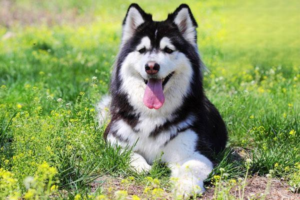
Signs of Obesity in Dogs
Obesity links to diabetes and Cushing's disease. Diagnosis starts with a full exam and blood work; treatment is calorie reduction, weight-management food, exercise, and treating any underlying disease.

Best Dog Food for Shetland Sheepdogs: How to Choose the Right Kibble
Protein, fat, vitamins, minerals, calcium, and carbohydrates are all nutrients a Shetland Sheepdog needs in sufficient amounts to grow properly; a deficiency can affect normal development. When it comes to dog food, which types suit a Shetland Sheepdog best?

Key Points for Rabbit Care in October
October brings big day-night temperature swings and the molting period, raising disease risk, so the focus is protecting pregnant does through each pregnancy stage and preparing the kindling box, storing dried forage, and preventing contagious disease with vaccination, stable warmth, and weekly disinfection.

Productive Lifespan of Breeding Rabbits
A breeding rabbit's best years are the first one to two, with productivity then falling 15 to 20 percent a year, so renew stock every 2 to 3 years. Give breeders a clean, dry, well-ventilated hutch, breed in spring and autumn, cool them in summer, and keep them warm below 5°C.
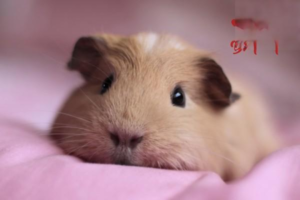
How to Extend a Hamster’s Lifespan
A hamster lives only two to three years, and illness shortens that further, so extend its life with a clean, safe home, age-appropriate soft and nutritious food, controlled weight, and protection from fights and cage injuries.

Why Won’t a Rabbit Cycle?
A rabbit may not cycle from being too fat or thin, lack of winter light and greens, disease (vaginal or oviduct defects needing culling), or simply being too young to be sexually mature. Fixes: balance body condition; in winter give sun and vitamin-rich veg like carrot, cabbage, or pumpkin; herbal teasers (motherwort plus black soybean), hormone shots (PMSG), or buck induction for 1–2 hours.

Key Measures for Fattening Meat Rabbits
Fattening meat rabbits well depends on site and housing, environment control (30–32°C for kits, 10–25°C adults, 60–65% humidity), hygiene, good breeds, regular deworming, clean feed, grouping, quiet management, and timely sale by 5 months.
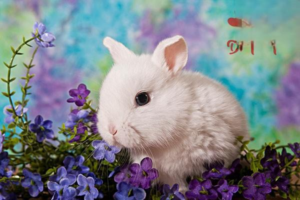
How Cage Lighting Affects Rabbit Fattening
Meat rabbits gain weight faster in dim, quiet cages — they eat more evenly and digest better, adding 250–350 g over six months versus bright conditions. But lack of light lowers immunity, so keep cages clean and the diet nutritionally complete.