Search Results
295 results for “feed management”
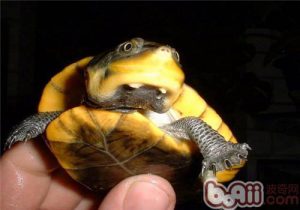
Amazon Mud Turtle
The Amazon Mud Turtle is a relatively scarce species of musk turtle that emits a musky odor when threatened. It reproduces slowly, so its wild population is in decline, and in the wild it feeds on insects, making it largely carnivorous.
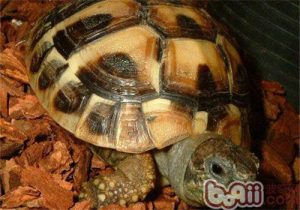
Western Hermann’s Tortoise
The Western Hermann's Tortoise (Testudo hermanni) is a common, beginner-friendly tortoise with undemanding environmental needs and good disease resistance, though it carries a relatively high price. Native to Spain and southern France, it is a Mediterranean-species herbivore that also occasionally takes animal prey.

Hip Dysplasia in Dogs and Cats: Symptoms, Treatment, and Prevention
Hip dysplasia is a hereditary developmental disorder of the hip joint influenced by genetics and environment, common in large breeds such as shepherds and setters. Progressive laxity and deformity cause lameness, reluctance to rise, and a characteristic 'bunny-hopping' gait; management is conservative with weight control and pain relief, and surgery is considered case by case.

Elbow Dysplasia in Dogs and Cats: Symptoms, Treatment, and Prevention
Elbow dysplasia is a group of inherited developmental elbow joint diseases - ununited anconeal process, fragmented medial coronoid process, and osteochondritis of the medial humeral condyle - driven by genetics and rapid growth. It causes forelimb lameness, a reluctance to walk, and sometimes a crackling joint sound. Weight control, pain relief, and surgery in severe cases are the mainstays.

When Your Dog Pants After a Short Walk: A Heart-Health Warning
Panting after brief exercise can be normal, but a formerly active dog that tires after a few steps, pants without exertion, coughs at night, or shows blue gums may have heart disease. Veterinary heart assessment and early care greatly slow progression.
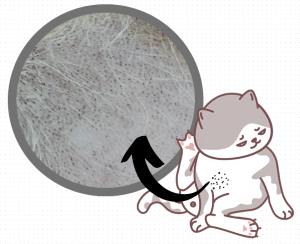
Black Dots on Your Cat’s Skin: Folliculitis, or ‘Black Chin’ and ‘Stud Tail’
Black dots on a cat's skin are usually the early sign of folliculitis, like blackheads, driven by excess sebum, blocked follicles, and bacterial infection. On the chin it is called black chin, and on the tail stud tail or oily tail, both managed with gentle localized cleaning and diet adjustments.

Biotin (Vitamin H) Deficiency in Dogs and Cats
Biotin (vitamin H) deficiency in dogs and cats causes scaly dermatitis, hair loss, poor growth, and later weakness, diarrhea, and hind-limb paralysis. It is usually due to raw-egg white (avidin) or gut flora imbalance, and is corrected with dietary biotin.

Vitamin K Deficiency in Dogs and Cats
Vitamin K deficiency in dogs and cats impairs clotting-factor synthesis, causing prolonged bleeding time, subcutaneous and body-cavity hemorrhage, and anemia. It arises from malabsorption, long-term antibiotics, or certain poisons, and is treated with vitamin K and management of the underlying cause.

Vitamin B6 (Pyridoxine) Deficiency in Dogs and Cats
Vitamin B6 (pyridoxine) deficiency in dogs and cats impairs hemoglobin synthesis and nerve function, causing microcytic hypochromic anemia, poor appetite, skin inflammation, and seizures or ataxia. It is corrected with pyridoxine and a balanced diet.

Vitamin A Deficiency in Dogs and Cats
Vitamin A deficiency in dogs and cats results from a diet lacking preformed vitamin A and its precursors, impairing vision, skin, growth, and reproduction. It causes night blindness, dry eye, flaky skin, and in young animals bone deformity and paralysis, and is corrected by dietary vitamin A and treating any gut disease.