Search Results
857 results for “fall”

Zebra Finch
The Zebra Finch, also known as the Pearl bird, is small and exquisite with a charming appearance and a soft, gentle call; its looks are as appealing as its name, and its plumage resembles the color of pearls. China imported it from Australia in the 1970s and 1980s, and has since bred varieties such as camel, white, and pied.

Crossbill
The Crossbill, also called the crossbill or green crossbill, currently has three subspecies. Its most distinctive feature is the crossed upper and lower mandibles, used to pry open pine cones and extract the seeds.

Slow Loris
The Slow Loris (Loris tardigradus) is a small prosimian of the family Lorisidae and genus Loris. It is nocturnal, moves slowly, and prefers to rest atop tree branches. In recent years, due to habitat destruction, hunting for use in traditional medicine, overhunting, and its own biological traits, it is on the brink of extinction.

Scaly-breasted Lorikeet
The Scaly-breasted Lorikeet (Trichoglossus chlorolepidotus) is a beautiful parrot native to Australia. Playful and quite friendly, it is loved by many bird enthusiasts. Although not yet very common in captivity, in the wild it is a widespread lorikeet with a global population exceeding 100,000, and is one of the cheapest lorikeets in Australia and New Zealand.

Can Hamsters Get Diabetes Too
Yes — hamsters can develop diabetes, most often dwarf breeds, due to genetics and obesity from insufficient insulin. Signs include overeating, excessive drinking, frequent strong-smelling urine, and weight swings. Care centers on a high-protein, high-fiber, low-fat diet that avoids all sugary foods, plus natural blood-sugar-lowering supplements like fenugreek.

Signs of Aging in Hamsters and Common Senior Diseases
Hamsters begin aging around 15 months and show clear changes: a thinning coat, hunched back, leaner body, and less activity and appetite. Senior hamsters are prone to kidney failure, tumors, dental problems, cataracts, and constipation — conditions that are manageable but generally incurable, so attentive care is essential.
When Do Budgerigars Molt, and What Are the Signs
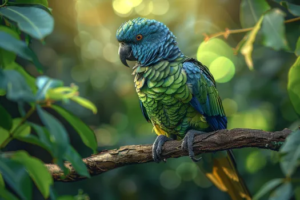
Budgerigars typically molt in June–August for 2–3 months and again about four months later to grow winter down. Signs include frequent feather loss, poorer appetite with some weight loss, and moody, sensitive behavior. Because molting birds are fragile and parasite-prone, feed a varied balanced diet and deworm if you see red, scabby skin or feather-pecking.

Chinese Rural Cats vs. Pedigree Pet Cats: What’s the Difference?
Chinese rural cats (native mixes) and pedigree pet cats are cared for similarly, but rural cats are hardier and cheaper. This guide compares them on health, price, looks, temperament and ease of keeping.

Causes of Premature Birth in Dogs
Pregnancy can end early for many reasons—genetics, bacterial or viral infection, ovarian cysts and more. This guide lists the common causes of canine premature labor and why it threatens both mother and pups.

Why Your Cat Can’t Gain Weight
If a cat eats plenty but stays thin, it may be sick or on low-quality food. This guide covers parasites, poor gut absorption, high activity, and cheap kibble—plus what to do if weight keeps dropping.