Search Results
578 results for “exercise”

White-throated monitor
The white-throated monitor (Varanus albigularis) is a fairly typical monitor lizard and possesses most of the traits of the group.

FlemishGiant
The Flemish Giant is the largest domesticated rabbit breed in the world, originally from Belgium and recognized by the American Rabbit Breeders Association in seven coat colors. A gentle, docile, and hearty-eater companion that needs generous space and meticulous hygiene, it weighs 6–13 kg and lives around 5–8 years.

Dog Panting After a Few Steps? Don’t Ignore Heart Trouble
A dog that pants heavily or struggles to breathe after only a short walk may be signaling heart disease rather than mere old age or extra weight. Key warning signs include a sudden drop in stamina, labored breathing at rest, blue-tinged gums, nighttime coughing, and lethargy. Early veterinary diagnosis and daily heart-care management can dramatically slow progression and extend your dog's life.

Lipomas and Liposarcomas in Dogs and Cats
Lipomas are common, usually benign fatty tumors made of fat cells that grow slowly under the skin and rarely cause problems. Liposarcomas are the malignant form and can invade and break down. Solid lipomas are removed surgically, with weight control helping recovery.
Privacy Policy
Who We Are ChirpyPet (“we”, “us”, or “our”) is a pet-care knowledge portal dedicated to helping pet lovers worldwide care for their animals — from breed identification to disease prevention and daily health. Our website is located at chirpypet.com (the “Site”). This Privacy Policy explains what personal information we collect, why we collect it, and […]

Degenerative Arthritis in Dogs and Cats: Symptoms, Treatment, and Prevention
Degenerative arthritis (osteoarthritis) is non-suppurative wear of joint cartilage from years of uneven load, more common in older pets. It causes pain, stiffness, limited motion, and lameness that worsens with activity and cold weather. Weight control, controlled exercise, pain relief, and surgery in severe cases manage it.

Hip Dysplasia in Dogs and Cats: Symptoms, Treatment, and Prevention
Hip dysplasia is a hereditary developmental disorder of the hip joint influenced by genetics and environment, common in large breeds such as shepherds and setters. Progressive laxity and deformity cause lameness, reluctance to rise, and a characteristic 'bunny-hopping' gait; management is conservative with weight control and pain relief, and surgery is considered case by case.

Elbow Dysplasia in Dogs and Cats: Symptoms, Treatment, and Prevention
Elbow dysplasia is a group of inherited developmental elbow joint diseases - ununited anconeal process, fragmented medial coronoid process, and osteochondritis of the medial humeral condyle - driven by genetics and rapid growth. It causes forelimb lameness, a reluctance to walk, and sometimes a crackling joint sound. Weight control, pain relief, and surgery in severe cases are the mainstays.
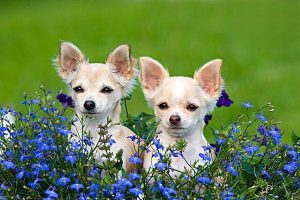
Patellar Luxation in Dogs and Cats: Symptoms, Treatment, and Prevention
Patellar luxation is displacement of the kneecap out of its trochlear groove, common in small breeds such as Toy and Pomeranian dogs and usually from a congenital conformational defect or trauma. It causes a sudden inability to extend the knee and a skipping, hopping gait that may self-correct. Mild cases are managed conservatively; severe ones need surgery.
Hip Dislocation in Dogs and Cats: Symptoms, Treatment, and Prevention
Hip dislocation is separation of the femoral head from the hip socket, usually from trauma such as a car accident, a fall, or a forceful pull on the hind limb. It causes a shortened, rotated leg and a hopping or dragging gait; it is corrected by closed or surgical reduction and strict rest, since it tends to recur.