Search Results
578 results for “exercise”

How to Help Your Overweight Hamster Lose Weight
Hamster obesity raises the risk of heart disease, diabetes, arthritis, and fatty liver, cuts mobility, shortens life, and can cause breeding trouble and anxiety. To slim one down, cut portions of fatty foods, add a wheel and climbing toys plus out-of-cage time, limit sugary treats, weigh regularly, and avoid overstimulation that triggers overeating. Severe cases need a vet's tailored plan. Patience is essential; weight loss takes time.

How to Stop Your Rabbit Rummaging Through the Trash
A rabbit that raids the trash can pick up bacteria and skin disease or eat spoiled food and suffer gut trouble. Move bins out of reach, give plenty of chew toys and activity, and correct the behavior with a sharp sound or gesture the moment it starts, repeating until it learns. Clear food scraps from bins, keep it fed and watered, and allow enough exercise. If it persists, an animal behavior specialist can help.

What to Do When Your Rabbit Is a Picky Eater
A picky rabbit may refuse food because of taste preference, a recent environment change, or dental trouble. Offer variety, fresh food, and a gradual switch to new items, and avoid overfeeding treats. Check teeth and mouth regularly, keep the diet balanced, and give enough space and exercise. Persistent pickiness with other symptoms warrants a veterinary check, since poor intake risks nutrient deficiency and weak growth.
Dog Food Bloat: Symptoms and What to Do
Food bloat is a digestive backup where swallowed food cannot pass normally, causing vomiting, refusal to eat, and a swollen belly. It often follows fast or excessive eating, indigestible food, or swallowed objects. Mild cases may improve with pet probiotics, gentle abdominal massage, and rest. Severe bloat with pain or persistent vomiting needs urgent veterinary care, sometimes surgery. Preventing overeating and using slow-feeders is the best defense.

Why Is Your Dog Weak in the Hind Legs and Unsteady
A dog that walks with weak, wobbly legs can signal many problems: lack of exercise, poor nutrition, fatigue, heart or respiratory disease, muscle or skeletal disorders, anemia, diabetes, or thyroid trouble. A single, bland diet or long hunger can cause dehydration and low blood sugar, calcium, or potassium, leading to dizziness and weakness. Overexertion alone may just need rest. If the signs persist, a vet visit with bloodwork and X-rays pinpoints the cause and guides treatment.

Blue Ram Cichlid
The blue ram cichlid is a gentle but rather shy tropical fish; keep it with plenty of plants for cover. Because the male's dorsal fin looks like a saddle, it is also called the seven-color saddle fish.

American Flagfish
The American flagfish is an upper-water fish with an aggressive temperament; when it strikes prey its speed and impact are formidable. Its unusual body shape makes it a notably fast swimmer.
Hatchetfish
Also known as the Swallow Fish, Chest-Knife Fish, or Sternoptyx, the hatchetfish is a group of unusually shaped small freshwater fishes. Its body is extremely laterally compressed with a greatly protruding belly, giving it the silhouette of an ancient stone axe—hence the name.
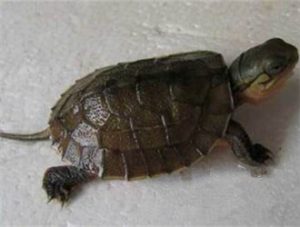
Iverson’s Turtle
Iverson's Turtle (Mauremys iversoni), also called the Fujian stone turtle, is a China-endemic turtle found only in Fujian and Guizhou. Very rare, it is listed under China's protected-wildlife category, and its taxonomic status is debated — some research suggests it may be a hybrid.

Syrian Hamster
The Syrian hamster (Mesocricetus auratus), also called the golden hamster or 'pearl bear', is a hamster from Asia and the first species kept as a pet. Docile and easy to breed, it lives 2 to 3 years with good care and comes in over 40 color varieties.