Search Results
37 results for “environmental management”

Management of Newborn Kits
Newborn kits are fragile and demand high environmental standards; slight neglect can kill them. Here are management methods for newborn kits.

Scientific Management of Weaning Kits (Baby Rabbits)
Weaning kits requires four points of scientific management: preparation before weaning, timely weaning, a suitable weaning method, and post-weaning care. Follow this guide for healthy, stress-free weaning.

How Environmental Factors Affect Meat Rabbit Fattening
A dim, quiet environment helps fatten meat rabbits: it suppresses sexual development, raises feed efficiency, calms the animals, and speeds weight gain — trials show rabbits in darker cages weigh 250–350 g more after six months. Because they get little sunlight, keep cages clean, disinfect often, and feed a complete diet rich in vitamins and minerals.

Daily Management of a Goldfish Aquarium
Even with an automated tank, daily goldfish management matters—watch activity and respond to environment and health changes. This guide covers tank placement, setup, stocking density, feeding and water changes.
What symptoms appear when a leopard tortoise catches a cold?
A cold shows as poor appetite, lethargy, rapid breathing, runny nose, coughing and swollen eyes. Isolate the tortoise and raise the enclosure to 30-32 C. Mild cases recover with good care; severe ones need medication.
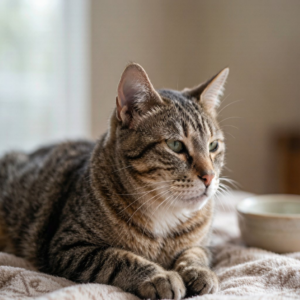
Why Does My Cat Always Lie Down? Understanding Feline Arthritis
If your cat spends most of its time lying down, walks with a limp, or refuses to be touched on the hind legs, it may be suffering from arthritis—a condition that affects up to 90% of cats as they age. Arthritis is the inflammation and degeneration of joint cartilage, most often secondary (degenerative) arthritis, which worsens as cats grow older. Cats are masters at hiding pain, so signs like reluctance to jump, reduced grooming, increased sleeping, and irritability can easily go unnoticed. Causes include aging, genetics, obesity, injury, and acromegaly. Treatment combines veterinarian-supervised medication (NSAIDs such as meloxicam), weight management with omega-3 and glucosamine supplements, and environmental adjustments like steps and soft bedding. Prevention starts with a healthy diet and keeping your cat lean.

Key Points for Raising and Caring for Puppies
Newborn puppies are blind and deaf for their first two weeks, living on mother's milk and needing a warm environment plus help with elimination. This guide covers early puppy care, weaning onto puppy food, and feeding tips for healthy growth.
What causes infertility in dogs?
Dog infertility mainly falls into two categories: failed fertilization and early embryonic death. A veterinary check-up before breeding is strongly recommended.

How to Tell If Your Arowana Is Healthy
When observing your arowana day to day, beyond enjoying its graceful swimming, you should pay close attention to its physical condition and state, so that any abnormality or illness is caught and treated early, protecting its health and safety. Below are some methods our experts use to judge whether an arowana is healthy, hope they help you.

Favorable Conditions for Arowana Coloration
Good arowana color rests on five pillars: a pure bloodline, stable and clean water, a dark yet well-lit tank with combined top and side lighting, varied and nutritious feeding, and a balance of slow and fast growth. Patience is essential, because coloration is a long, gradual process.