Search Results
500 results for “energy diet”
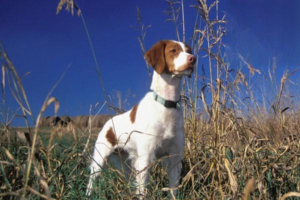
What to Do When Your Dog Won’t Eat, Drink, or Has No Energy
A dog that won't eat is a common but serious signal — anorexia often travels with vomiting, diarrhea, or lethargy and can mean something urgent. Know your emergency contact, watch closely, and don't guess with medication.
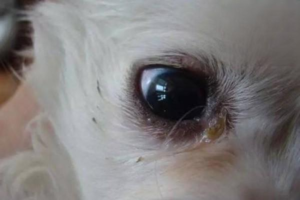
Dog With Eye Discharge and Low Energy: What to Check
Eye gunk with tiredness can be simple 'heat,' eye inflammation, parasites, or fear — or, if yellow nasal discharge and fever appear, distemper. Rule out the serious causes with a vet.

Cat Has Diarrhea but Plenty of Energy
A cat with diarrhea but normal energy worries many owners, yet it's often mild. Diet changes, gastritis, or parasites are the common triggers. A gradual food switch, a probiotic, and routine deworming usually settle it; see a vet if it doesn't improve.

Why Your Dog Lost Its Appetite and Energy
A dog that stops eating and goes quiet may have a troubled stomach, parasites, an internal illness, or simply picky habits. Match the cause to the fix: adjust the diet, deworm on schedule, or see a vet when illness is the culprit.

Autumn Dog Care: Nutrition, Immunity, and Energy
As autumn cools, dogs grow their winter coat and need more coat-building nutrients — protein, fatty acids, B vitamins. Boost immunity with water and vitamins, and add energy-rich food (but not too much) to prep for winter.

How to Improve a Rabbit’s Forage Conversion Efficiency
Growing your own forage cuts rabbit-farming cost, but you must raise conversion efficiency and balance the diet. Key points: good palatability, varied feeds, greens-led with limited concentrate, about 0.5 to 1 kg greens and 150 g concentrate per adult daily, proper protein and crude-fiber levels, and not-too-high energy to avoid cecal gas and lower breeding rates. Add minerals and vitamins in moderation.

Why Do Dogs Develop Osteochondrosis?
Osteochondrosis in dogs is linked to genetics, rapid growth, and body weight, as well as the overall health of the joints. Fast-growing, heavy puppies are the most likely to develop it. The main signs are stiff joints, pain, lameness, and an unsteady gait. Mild cases are usually managed with medication, while severe cases may require surgery.

Osteochondrosis and Osteochondritis Dissecans in Dogs and Cats: Symptoms, Treatment, and Prevention
Osteochondrosis is a disturbance of cartilage-to-bone conversion in the growing ends of long bones, and when cartilage separates it forms osteochondritis dissecans (OCD). It affects fast-growing large breeds, causing gradually worsening lameness and joint pain, and can lead to degenerative joint disease if untreated. Early surgery gives the best outcome.

Hypertrophic Osteodystrophy in Dogs and Cats: Symptoms, Treatment, and Prevention
Hypertrophic osteodystrophy (metaphyseal osteopathy) is a bone-growth disorder of the active growing ends of long bones in young, rapidly growing large-breed dogs. It causes symmetric swelling, heat, and pain over the metaphyses with lameness, fever, and lethargy, and is managed with pain control, infection prevention, and nutrition.

Common Causes of Feline Obesity
Feline obesity is driven by age, genetics, neutering, and too little exercise, and it raises the risk of heat intolerance, heart disease, diabetes, and a shorter life. Prevention comes down to scheduled feeding, a lean high-protein diet, and daily play.