Search Results
172 results for “electrolytes”

What Are the Symptoms of Coccidiosis in Guinea Pigs?
Coccidiosis in guinea pigs starts quietly—low energy, poor appetite, and weight loss—then progresses to diarrhea with blood or mucus as the parasites steal nutrients and damage the gut lining. Left alone it leads to malnutrition, low blood sugar (weakness, wobbliness, collapse), and can end in shock or death. Some pigs show nervous signs like tremors or a tilted head, fever, and clear digestive distress. Diagnosis is confirmed by finding oocysts under a microscope; treatment uses anticoccidial drugs (sulfonamides, quinolones) at the vet's dose, plus fluids and electrolytes for support. Prevention is clean housing, disinfection, balanced feed, and good parasite control—so see a vet early rather than waiting.

Symptoms and Treatment of One-Eye Cold in Parrots
One-eye cold is a common contagious eye condition in parrots, marked by swollen conjunctiva, watery discharge, lethargy, reduced appetite, and weakness, with respiratory signs in severe cases. If you notice these symptoms, take them seriously and treat promptly. Care begins with isolating the sick bird and disinfecting the cage, then gently cleaning the eye and applying bird-specific drops such as bird-specific eye drops or human erythromycin ointment—treating both eyes even if only one is infected. Serious cases need antibiotics under a vet's guidance. Daily hygiene, clean food and water, and regular check-ups are the best prevention.
How to Care for a Dog with Pancreatitis
Pancreatitis is a high-risk digestive emergency, especially common in overweight middle-aged and senior dogs, and it often returns even after recovery — so proper home care matters as much as treatment. During a flare-up, withhold food and water immediately and see a vet; never self-medicate. After discharge, feed a prescription diet under 10% fat (regular food is 15–20%+), split into 4–6 small meals, and strictly avoid all high-fat foods such as fatty meat, organ meats, fried food, and rich treats. Keep your dog warm to protect the abdomen, allow only gentle short walks, follow the medication plan exactly, and return for regular pancreatic checks. Controlling weight is the best prevention — obese dogs are over three times more likely to develop pancreatitis.

Why Cats Get Diabetes
Diabetes is an endocrine disease where too little insulin or poor insulin response raises blood sugar, disturbing carbs, protein and fat and causing electrolyte imbalance. Cats have three types (I insulin-dependent, II non-insulin-dependent, III secondary); type II is common and, happily, preventable. The real drivers are diet and exercise, not just 'obesity' - high-carbohydrate commercial kibble turns to fat in a short gut that needs little carbohydrate. Signs: excessive drinking and eating with weight loss, 3-5x urine, walking difficulty, and late ataxia even paralysis. Complications bring lethargy, dull coat, vomiting, dehydration, sweet breath, coma. Prevent and treat with fixed high-protein, low-carb meals, regular activity, weight and check-up monitoring; many cats live well with medicine and good management.
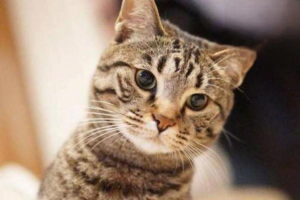
Why Your Cat’s Diarrhea Persists Despite Probiotics
It is a common story: your cat has soft stool or diarrhea, you reach for a probiotic, and the problem does not go away. Probiotics can help the gut, but they are not a cure for every loose stool, and not every product on the shelf is what it claims to be. Understanding why they sometimes fail points you toward the real fix.

Symptoms and Treatment of Gastroenteritis in Dogs
Gastroenteritis is the general name for acute or chronic inflammation of the stomach and intestinal lining. Because dogs and cats are meat eaters, the causes are many, from bacteria, viruses, and parasites to drugs and bad food, so diagnosis must be precise. Most cases show on-and-off vomiting and diarrhea, with foam or yellow bile in the vomit. A vet should treat it early, with care centered on fasting, fluids, nutrition, and stopping the vomiting and diarrhea.
Can canine coronavirus heal on its own?
Canine coronavirus generally won't self-heal - the RNA virus keeps replicating and damaging the immune system, causing vomiting, diarrhea, appetite loss, and lethargy, and untreated it can kill via severe dehydration, electrolyte imbalance, or sepsis. The course is about a week with days 2-3 the danger period, so get vet care: mainly IV electrolytes plus symptomatic and antiviral biological treatment.

Karoo Cape Tortoise
The Karoo cape tortoise (Homopus femoralis) is the largest member of the padloper group, native to the high plateaus of South Africa's Karoo region. Unusually cold-tolerant for a tortoise, it is the only padloper known to undergo winter dormancy.

Salt Poisoning in Dogs and Cats
Eating too much common salt irritates the gut and over-excites the brain, causing restlessness, muscle tremor, thirst, little urine and dehydration; severe cases can be fatal. Fresh water and careful correction of electrolytes are the mainstay.

Uremia in Dogs and Cats
Uremia is the severe, body-wide poisoning that results when advanced kidney failure lets metabolic wastes build up in the blood. It affects the nervous, circulatory, digestive, respiratory, and blood systems, and is treated by managing the underlying kidney disease and the individual symptoms.