Search Results
41 results for “egg incubation”

How to Prevent Turtle Eggs From Molding During Incubation
Turtle eggs can mold during incubation when temperature and humidity are off, when eggs are contaminated or cross-infected, or when they were never fertilized. Good incubation management is the key defense. After laying, check each egg for fertilization and remove infertile ones so they don't spoil in the warm, humid box and infect the rest. Keep temperature and humidity appropriate, control pests, and protect eggs from contamination and cross-infection. This article explains the causes and the practical steps to keep your hatch healthy.

What to Do After Your Yellow-Margined Box Turtle Lays Eggs
After a yellow-margined box turtle lays eggs, move them to an incubator with the right conditions. Manage temperature and humidity carefully: aim for 25 to 30°C overall, with humidity near 65% in the first 25 days, 70% in the middle period (days 26 to 50), and 80% later (days 55 to 75). Also check that the eggs' air pores stay clear—blocked ventilation can stop development or kill the embryo. This article walks through the incubation care that helps your eggs hatch in about two to three months.
What Do Turtle Eggs Look Like?
Turtle eggs are spherical or elongated, about 3-4 cm long and 1-2 cm wide, with a thin, soft, glossy shell. Under natural conditions they hatch in 50-80 days, depending on temperature, humidity, and light.

Hundred-pace Viper
The Hundred-pace Viper (Deinagkistrodon acutus) is a highly venomous pit viper from southeastern China and Taiwan, nocturnal and storied in Asian folklore. Extremely dangerous, it is not suitable for home keeping.
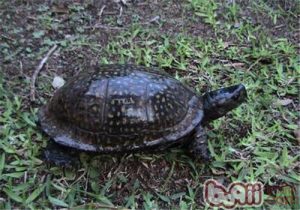
Gulf Coast Box Turtle
The Gulf Coast Box Turtle (Terrapene carolina major) is the largest subspecies of the Common Box Turtle, found along the U.S. Gulf Coast bordering Mexico. A typical omnivore reaching up to 18 cm in carapace length, it grows quickly and is relatively easy to keep.
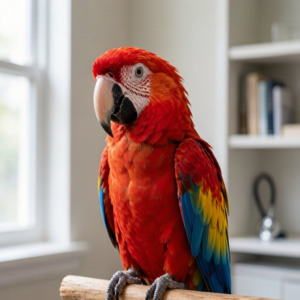
Scarlet Macaw: Traits and Natural Behavior
The scarlet macaw is among the most vividly colored parrots, with a body dominated by brilliant red and accented by yellow, white, and deep blue across the wings and tail. A large, strong black beak easily cracks hard nuts and fruit. These birds live in subtropical and tropical forests, roost high in big trees, and are highly social, gathering in flocks that can top thirty individuals. Understanding their size, diet, lifespan, and breeding needs is essential before taking one home.

Pacific Parrot: Traits and Care
The Pacific parrot (or Pacific parakeet) is among the smallest parrots, only about 12 cm long and 30 g, earning the nickname "pocket parrot." Mostly green or blue, it is gentle, cute, and not very destructive, and can even learn a few words. In the wild it flocks and eats seeds, berries, and fruit; in captivity it needs a small cage, mixed seed or pelleted food, baths, and sunlight. Breeding runs January to May with four to six eggs.

Lyretail Killifish
Also called the Australian Lyretail, this small fish native to West Africa is loved by aquarists for its tail shaped like an ancient harp. Its body color is gorgeous, with rainbow hues all over.
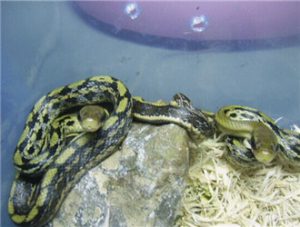
Chinese Beauty Snake
A large, non-venomous rat snake of southern China - the 'black-browed' beauty with four dark side bands. Hardy and a legendary rat-catcher, but fierce when startled.

Indo-Chinese Rat Snake (Grey Rat Snake)
A wide-ranging, fast, non-venomous rat snake - the 'over-tree dragon' snake of southern China. Docile and a good pet, it may drop its tail when grabbed.