Search Results
1238 results for “early symptoms”
What to Do When Your Rabbit Is a Picky Eater
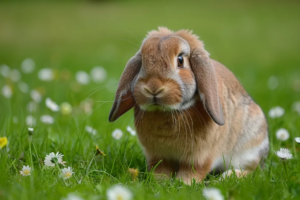
A picky rabbit may refuse food because of taste preference, a recent environment change, or dental trouble. Offer variety, fresh food, and a gradual switch to new items, and avoid overfeeding treats. Check teeth and mouth regularly, keep the diet balanced, and give enough space and exercise. Persistent pickiness with other symptoms warrants a veterinary check, since poor intake risks nutrient deficiency and weak growth.
Forktail Blue-eye
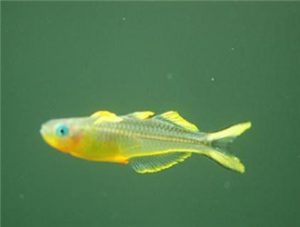
The forktail blue-eye is a small rainbowfish with a pale blue-green, semi-transparent body that looks beautiful swimming in the aquarium, so it costs more than other rainbowfish.

Pritchard’s Turtle
Pritchard's turtle (Mauremys pritchardi) is a Geoemydidae turtle found in China and Japan. Its looks blend the Chinese pond turtle and the yellow pond turtle, and some researchers believe it is a natural hybrid — though that is not officially recognised.

Yellow-bellied Slider
The Yellow-bellied Slider (Trachemys scripta scripta) is a common, hardy and inexpensive North American slider with a yellow belly and yellow 'ear' patches. Easy to keep but a messy, fast-eating carnivore-leaning omnivore.

Siamese Russell’s Viper
The Siamese Russell's viper (Daboia russelii siamensis) is a venomous pit viper marked with three rows of large round dorsal spots. Distributed across Southeast Asia and parts of China, its bite is among the deadliest of Asian snakes and it is not suitable for home keeping.

Gopher Tortoise
The Gopher Tortoise (Gopherus polyphemus) is a burrowing land turtle of the southeastern United States, strictly herbivorous and protected by law due to its small wild population. Famous for digging deep burrows (11–15 m), it needs a dry, sandy outdoor enclosure with plenty of sunny space.

Texas Tortoise
The Texas tortoise (Gopherus berlandieri) is the smallest of the gopher tortoises, native to southern Texas and northeastern Mexico. Adapted to arid deserts, it feeds mainly on high-fiber plants and is considered a challenging species to keep, so it remains uncommon in captivity.

Dog Panting After a Few Steps? Don’t Ignore Heart Trouble
A dog that pants heavily or struggles to breathe after only a short walk may be signaling heart disease rather than mere old age or extra weight. Key warning signs include a sudden drop in stamina, labored breathing at rest, blue-tinged gums, nighttime coughing, and lethargy. Early veterinary diagnosis and daily heart-care management can dramatically slow progression and extend your dog's life.

Canine and Feline Brain Tumors
Brain tumors in dogs and cats are most often meningeal or glial tumors that appear in middle-aged to older pets, with some breeds such as Boxers and Bulldogs overrepresented. They compress brain tissue and cause gradually worsening neurological signs including behavior changes, circling, head tilt, blindness, and seizures.

Canine and Feline Hemangioma and Hemangiosarcoma
Hemangiomas are slow-growing benign tumors of blood vessels, while hemangiosarcomas are aggressive malignant vascular tumors that often spread before signs appear. Common sites include the skin, spleen, liver, heart, and bone, with large breeds such as Great Danes, Boxers, and German Shepherds overrepresented.