Search Results
1238 results for “early symptoms”

Feline Infectious Rhinotracheitis (Feline Herpesvirus-1): Symptoms and Treatment
Feline infectious rhinotracheitis, or cat flu caused by feline herpesvirus-1, is a highly contagious upper-respiratory disease. It produces sneezing, eye and nose discharge, conjunctivitis, and fever, and can cause serious eye ulcers and abortion in pregnant cats.

Feline Panleukopenia (Feline Distemper): Symptoms and Treatment
Feline panleukopenia, also called feline distemper or infectious enteritis, is a highly contagious and often fatal viral disease of cats. It causes high fever, vomiting, diarrhea, dehydration, and a dangerous drop in white blood cells, and is especially deadly to kittens.

Canine Viral Papillomas (Warts): Symptoms and Treatment
Canine viral papillomatosis is a contagious wart-like growth caused by the canine oral papillomavirus, appearing in the mouth or on the skin. Most cases resolve on their own within weeks to months, but large oral tumors can interfere with eating and may need surgical removal.
What are the symptoms of feline herpesvirus infection?
FHV-1 starts like a cold - sneezing, cough, nasal discharge - then eye swelling, fever, and later mouth ulcers; treat early.
What Are the Symptoms of Pneumonia in Dogs?
Dog pneumonia signs include low appetite, poor spirit, fever, cough, and mouth-breathing; some show bulging eyes or severe signs. Mild cases use penicillin or amoxicillin antibiotics and anti-inflammatories; throat phlegm or fast breathing needs nebulization. See a vet early.
What Are the Symptoms of Constipation in a Rabbit?
Constipation brings reduced appetite, weak or absent gut sounds, lethargy, and straining. Early on, small hard droppings appear, then frequency drops until no stool. Adjust diet, water, and exercise; see a vet if severe.

Symptoms and Causes of Arowana Gill Eversion
Arowana gill eversion (flip-gill) starts with abnormal gill movement and breathing, then rapid breathing, surfacing, and starvation, and finally fully everted gills that suffocate the fish. Causes: foul water (low oxygen), temperature swings, cramped space, a misplaced wave pump, or bacterial/parasite infection. Treat early with better water and oxygen; hardened tissue needs surgery.
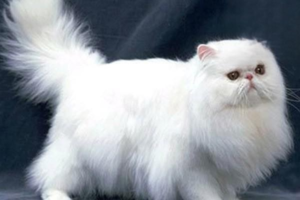
Chronic Kidney Disease in Cats: Symptoms and Treatment
Chronic kidney disease is common in cats and a leading cause of death, mainly because cats drink little, staying dehydrated and stressing the kidneys until function is slowly lost.

Feline Leukemia: Symptoms and Treatment
Feline AIDS and feline leukemia are topics owners avoid; clinically similar yet different. There is a separate article on feline AIDS for those interested.

Feline AIDS (FIV): Symptoms and Treatment
Feline AIDS (FAIDS) is a contagious disease in cats caused by Feline Immunodeficiency Virus (FIV), which attacks the immune system and makes cats more vulnerable to other infections.