Search Results
603 results for “ear scratching”
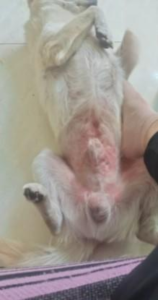
Dog Skin Redness and Hives: A Recovery Case
After a day outdoors, a dog came home with a large red, itchy rash on its belly—likely bacterial eczema or allergic dermatitis/hives. Left unchecked, such redness spreads fast and itches intensely. With an antimicrobial skin spray, zinc oxide ointment, and an oral antihistamine, the redness faded within a few applications. Catch it early and see a vet if it spreads.

Why Do Cats Get Folliculitis?
Feline folliculitis is a common skin condition that causes discomfort and distress for cats. It can be triggered by a mix of external factors, daily habits, and even genetics. Environmental issues such as bacteria, fungi, and parasites thrive in warm, humid conditions and raise the risk of infection. Over-grooming, scratching, and poor coat care can also damage the skin and lead to flare-ups, while long-haired breeds like Persians and Siamese are genetically more prone to it. The good news is that folliculitis is manageable. Treatment involves clipping the affected area, cleaning with saline, disinfecting with iodine, and applying an antibacterial ointment daily. Prevention relies on a balanced diet, regular grooming, a clean and dry living space, gentle bath products, and routine veterinary checkups. With the right care, owners can greatly reduce the likelihood of recurrence.

What to Do When Your Hamster Has Eye Inflammation
Hamster eye inflammation is usually conjunctivitis—redness, itching, and tearing, with sticky discharge in the corner of the eye and, in severe cases, poor appetite and low energy. It is treated with antibiotic eye drops containing lysozyme, oxytetracycline, or tylosin, used 2–5 times daily for 5–7 days after wiping away discharge with saline. Keep the cage clean and draft-free, clean the eyes daily, boost nutrition, and fit a cardboard e-collar if your hamster keeps scratching. If there's no improvement after a few days, see a vet.

Why Does Your Cat Suddenly Dart Around the House?
When a cat suddenly tears around the house, pounces at empty air, or arches its back and puffs up, it is usually showing what veterinarians call Frenetic Random Activity Periods (FRAPS)—a normal behavior, especially in kittens and young cats. The triggers are mostly instinctual: a retained hunting drive, excess energy, stress, or heat in unspayed cats. Occasionally, frantic running signals a health problem such as hyperthyroidism, a neurological disorder, or a parasitic infection, particularly when paired with appetite loss, weight drop, or lethargy. Meeting the cat's exercise needs with toys and play, plus a calm, safe environment, keeps normal zoomies harmless and happy.

Why Does Your Dog Bite Your Pant Legs? (And What It Means)
When a dog grabs and tugs at your pant leg, it is rarely out of spite. Most often the dog is trying to get your attention, invite you to play, or signal a need such as an empty food bowl. The swaying fabric can also trigger an inherited prey drive, since a moving pant leg looks like something to chase. In some cases—especially when you pick up keys or put on shoes—it signals separation anxiety: studies show a large share of dogs chew scent-bearing items to soothe themselves when they sense you are leaving. The fix is consistency: ignore the behavior, reward calm following, offer chew toys, and meet the dog's exercise needs. Understanding the motive behind the bite is the first step to changing it, and learning your dog's other body-language cues helps you bond.
How many days is the danger period after neutering a male cat?
The first 3 days are the danger period; if fine at day 3 he's cleared it. Watch spirits, appetite and the wound for redness; clean daily and keep the cone on.

Why Does My Cat Keep Pawing at the Water Bowl?
Cats are intelligent, clean-loving animals, and pawing at the water bowl usually signals something specific rather than random mischief. The behavior may mean your cat finds the water unclean, simply enjoys playing with water, feels bored or unhappy, or is trying to get your attention. Because drinking enough water is vital to feline urinary health, it is worth addressing. Keep the bowl clean and fresh, consider a circulating fountain to encourage drinking and curb the pawing, and provide engaging toys to burn off excess energy. Paying attention to your cat's mood and offering companionship also reduces attention-seeking behavior. Understanding the cause is the first step, so you can respond with the right fix instead of scolding.

Will Hitting a Cat Stop It From Peeing on the Bed?
Many cats develop a habit of urinating on the bed, and the strong odor of cat urine makes the smell linger even after cleaning, causing real frustration for owners. Some pet parents believe a quick swat will teach a lesson, but punishment rarely works. Most cats that are hit will hold a grudge and may urinate on the bed even more, or act out with scratching, sofa damage, or nighttime attacks. In truth, bed-wetting usually signals an underlying issue—heat cycles, stress, or a urinary or reproductive disease—not defiance. The right approach is to rule out medical problems, consider spaying or neutering, check the litter box, clean accidents thoroughly, and reward correct toileting. Guidance, care, and positive reinforcement, rather than punishment, are what truly resolve the behavior.

What Your Cat Is Feeling When It Acts Cute
A cat's affectionate, adorable moments are not random - each has a meaning. When a cat rolls at your feet, belly up, twisting side to side, it is often marking a warm, safe spot or scratching an itchy back (check for fleas if the itching persists). A cat's nose, with a sense of smell six to seven times keener than ours, gathers information by sniffing - at a new place, a stranger, or even your finger. A tail-up, wiggling rear before a pounce is the awake hunting instinct at play. And when a cat stares at "nothing," it is usually listening to high-pitched sounds we cannot hear; a cat that meets your gaze trusts you and may be asking for attention.

Common Skin Problems in Dogs During Summer
If your dog is scratching more than usual, the cause may be the skin itself - parasites, allergies or underlying disease. Summer brings a spike in canine skin conditions, so every owner should know the common ones. This guide lists allergic dermatitis, yeast infection, folliculitis, impetigo, seborrhea, ringworm, mange, fleas, ticks, lupus and more, with their hallmark signs. Most skin diseases develop over time, so early detection and prompt veterinary care keep them stable and curable - watch your dog's behavior and act on anything unusual.