Search Results
4113 results for “ear pH”

Why Dogs Lick Their Owners: What Those Licks Really Mean
Licking releases calming endorphins in a dog's brain, so it often starts as pure pleasure — but the behavior carries many messages. A lick can signal affection, anxiety, a request, grooming, a food smell, an itch, or even pain, so the context decides what your dog is really saying.
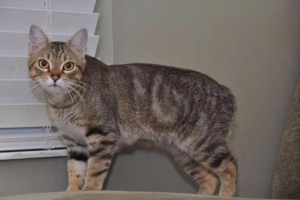
Feeding a Pregnant Cat: Diet Before, During, and After Birth
A pregnant queen's needs shift hard — her intake climbs to 1.5–2× normal by delivery, so transition her to calorie-dense kitten food over seven days and keep calcium steady. After birth she loses about 40% of the pregnancy weight gain and needs energy-rich, calcium-supplemented food, with free feeding while the litter is large.
Health Checkups by Life Stage for Cats and Dogs
Pets can't tell us when they're ill, so regular checkups catch hidden disease. Kittens and puppies need basics plus parasite and vaccine screens; adults add bloodwork and imaging; seniors (cats over 10, older dogs) need broader panels—blood chemistry, X-ray, ultrasound, heart, and blood-pressure checks—ideally every six months.

How to Feed an Adult Dog
Sexual maturity isn't adulthood—dogs finish growing at 12–24 months depending on size, and that's when feeding must switch to an adult plan. Feed twice a day (morning and evening), keep total food at about 2–3% of body weight, and drop puppy formula, which harms adult dogs if fed long term.

Is a Fatter Dog Really Cuter?
A chubby dog may look adorable, but obesity drives real disease—heart strain, joint and spinal load, breathing trouble, diabetes and pancreatitis from high-fat diets, and urinary stones. Help your dog slim down the scientific way, not just 'eat less, move more.'

Why Cats Shouldn’t Drink Mineral Water
Cats evolved in the desert and have a naturally weak thirst drive, so owners need to actively encourage them to drink enough water to avoid urinary stones and cystitis. Plain tap water served at room temperature and free of chlorine is best, while bottled mineral water is too high in calcium and magnesium for a cat's system.

How to Read Cat Food Labels and Choose Well
A good cat food starts with animal protein (aim for crude protein at or above 35%) and the right fat band (18–25%), since cats are obligate carnivores that burn protein and fat, not carbs. Keep an eye on the fine print too — calcium near 1.8% with a Ca:P ratio around 1.2:1, magnesium under 0.1%, ash under 6%, and omega-3 at least 1.5% — to protect bones, urinary tract, and coat.
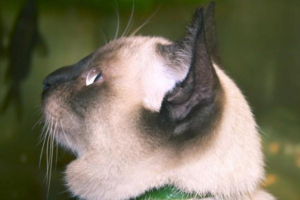
Feline Stomatitis: The Complete Guide
Feline stomatitis is a painful, relapsing inflammation of the whole mouth — gums, oral mucosa, and pharynx — driven by an over-active immune response to plaque and viruses like calicivirus. Signs run from foul drooling and weight loss to a cat that stops grooming and hides in pain; treatment pairs steroids and antibiotics with dental cleaning, and extracting the premolars and molars resolves or greatly eases symptoms in roughly two-thirds of cats.

What to Do When a Cat Eliminates Outside the Litter Box
A cat that shuns the box is usually acting out from stress, heat, or a genuine illness—punishing it backfires and only deepens the fear. Rule out a new environment, a cat in heat, medical causes (cystitis, UTI, parasites), box aversion, or multi-cat crowding, then fix the trigger and clean the scent with enzymatic solution.

Little-Known Facts About Cat Breeding
Cat breeding is far more than putting a pair together: a queen's heat can be broken by changing her environment or a pheromone spray (not risky 'heat-stop' powders or the unsafe swab trick), a neutered tom may still mount from leftover hormones if fixed late, and a queen's scream at mating simply means the barbed-penis trigger worked and she has ovulated. Pink nipples hint at pregnancy but can also mean a false pregnancy, so they are not proof on their own.