Search Results
4113 results for “ear pH”
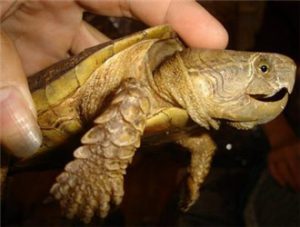
Big-headed Turtle
A bizarre, hook-beaked Asian turtle with a huge triangular head it cannot retract - wild-caught and protected, so captive-bred-only and for specialists.

FlemishGiant
The Flemish Giant is the largest domesticated rabbit breed in the world, originally from Belgium and recognized by the American Rabbit Breeders Association in seven coat colors. A gentle, docile, and hearty-eater companion that needs generous space and meticulous hygiene, it weighs 6–13 kg and lives around 5–8 years.

Mud and Musk Turtles (Egg Turtles)
The 'egg turtle' is not a single species but the common nickname for the family Kinosternidae — mud turtles and musk turtles — named for their smooth, egg-shaped carapace. Mostly North American, they are popular, interactive pets, but each species differs in size, care difficulty and husbandry, so research the exact species before buying.

Golden Python
The Golden Python is a patternless, leucistic morph of the Burmese python (Python bivittatus), prized for its uniform golden-cream coloration. Wild-type individuals cannot survive in nature due to a lack of protective melanin, so every specimen in captivity is captive-bred. A large, heat-loving constrictor, it needs steady temperatures of 26–33°C, regular soaking to aid shedding, and a diet of whole rodents or rabbits.

Canine and Feline Spinal Cord Tumors
Spinal cord tumors in dogs and cats produce signs based on where they compress the cord, ranging from limb weakness to paralysis and loss of bladder control. German Shepherds and young to middle-aged dogs are commonly affected, with tumors often located between the 10th thoracic and 3rd lumbar vertebrae.

Canine and Feline Brain Tumors
Brain tumors in dogs and cats are most often meningeal or glial tumors that appear in middle-aged to older pets, with some breeds such as Boxers and Bulldogs overrepresented. They compress brain tissue and cause gradually worsening neurological signs including behavior changes, circling, head tilt, blindness, and seizures.
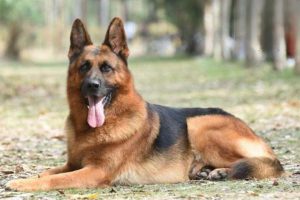
Canine and Feline Hemangioma and Hemangiosarcoma
Hemangiomas are slow-growing benign tumors of blood vessels, while hemangiosarcomas are aggressive malignant vascular tumors that often spread before signs appear. Common sites include the skin, spleen, liver, heart, and bone, with large breeds such as Great Danes, Boxers, and German Shepherds overrepresented.

Chondrosarcomas in Dogs and Cats
Chondrosarcoma is a malignant bone tumor from cartilage cells, second only to osteosarcoma in frequency. It favors flat bones such as ribs, nasal bones, and pelvis and is seen more in German Shepherds. Outlook is guarded even with surgery.

Osteosarcomas in Dogs and Cats
Osteosarcoma is a malignant bone tumor from abnormal osteoblasts, most common in large and giant dog breeds. The main sign is lameness, with swelling, pain, and possible pathological fracture. Early limb amputation plus anti-cancer medication is standard, but the outlook is poor.

Mammary Tumors in Dogs and Cats
Mammary tumors are common in intact female dogs and are the third most common feline tumor. They often appear as firm nodules in the mammary chain and can ulcerate or spread to lymph nodes and lungs. Early spaying sharply lowers risk, and surgery is the main treatment.