Search Results
4113 results for “ear pH”

Black Marsh Turtle
The Black Marsh Turtle (Siebenrockiella crassicollis), also called the Siamese temple turtle, is a medium-sized black freshwater turtle from Southeast Asia. Wild numbers are low, but captive-bred individuals now meet demand. An IUCN Vulnerable species, it is not for beginners.
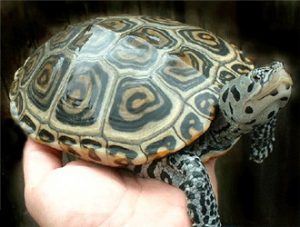
Northern Diamondback Terrapin
The Northern Diamondback Terrapin (Malaclemys terrapin terrapin), the nominate subspecies, is a semi-aquatic turtle native to the brackish estuaries of the U.S. Atlantic coast. Named for the diamond patterns on its shell, it is increasingly popular, reasonably priced, and not hard to keep — but it needs brackish water.
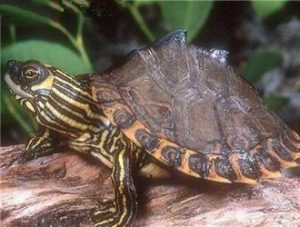
Northern Black-humped Map Turtle
The Northern Black-humped Map Turtle (Graptemys nigrinoda nigrinoda) is a relatively common map turtle seen in markets worldwide. Affordable, easy to keep, and odd-looking, it is popular — the black hump-like knobs on the front vertebral scutes are its unmistakable mark.

Chaco Tortoise
The Chaco Tortoise (Chelonoidis chilensis), long misnamed the Argentine or 'Chilean' tortoise, is a rare South American tortoise from the Gran Chaco of Argentina, Paraguay, Bolivia, and Brazil. Closely related to red- and yellow-footed tortoises, it is attractive but delicate and disease-prone, so best left to experienced keepers.
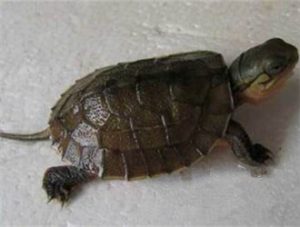
Iverson’s Turtle
Iverson's Turtle (Mauremys iversoni), also called the Fujian stone turtle, is a China-endemic turtle found only in Fujian and Guizhou. Very rare, it is listed under China's protected-wildlife category, and its taxonomic status is debated — some research suggests it may be a hybrid.

Desert Tortoise
The Desert Tortoise (Gopherus agassizii) is a hardy, large land tortoise from the dry southwestern United States and northwestern Mexico. Plain-looking with faint carapace markings, it is a protected and trade-restricted species and is challenging to keep outside its arid native range.
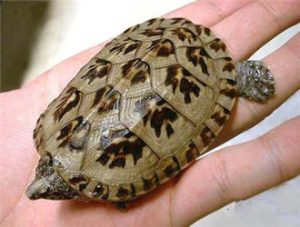
Mexican Giant Musk Turtle
The Mexican Giant Musk Turtle (Staurotypus triporcatus), also called the giant musk or 'Mexican giant egg' turtle, is a highly interactive, intelligent turtle that adapts well to captivity. Not hard to keep, but it is large, aggressive, and relatively expensive.
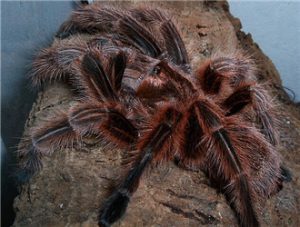
Chilean Flame Tarantula
The Chilean Flame Tarantula (Grammostola rosea), a redder color form of the Chilean rose tarantula, is a terrestrial, ground-webbing spider from Chile. Popular and striking, it is a hardy beginner tarantula, though its slow growth to adulthood takes about three years.

Flattened Musk Turtle
The Flattened Musk Turtle (Sternotherus depressus) is a small, critically imperiled musk turtle endemic to the Black Warrior River system in Alabama, USA. With a distinctly flattened shell and a shy, nocturnal nature, it is prized by keepers but almost never captive-bred, and habitat loss has left only about 15% of healthy populations.
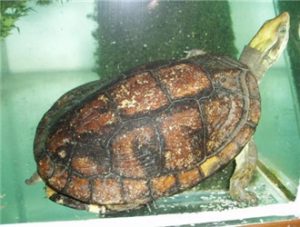
Pan’s Box Turtle
Pan's Box Turtle (Cuora pani) is a small, China-endemic box turtle and a Class II nationally protected species. Rare in the wild and in trade — individual animals can fetch tens of thousands of yuan — it is a prized but legally restricted species that should only be kept where explicitly permitted.