Search Results
4113 results for “ear pH”
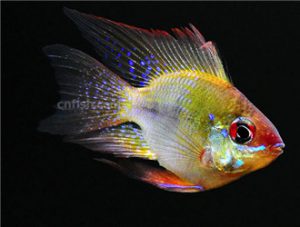
Ram cichlid
The Ram Cichlid originated from the Venezuelan Rainbow Cichlid and was developed into the Ram Cichlid after refinement in the Netherlands and Germany. It belongs to the same genus as the Bolivian Ram, but the Ram Cichlid is more brightly colored and is very popular among aquarists.
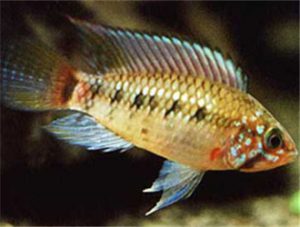
King Dwarf Cichlid
The King Dwarf Cichlid has a golden-yellow body, but unlike other dwarf cichlids it is not richly colored; still, its distinctive golden hue attracts many enthusiasts. It prefers soft water, so water quality requires attention in captivity.
Hooded butterflyfish
The Hooded Butterflyfish, also known as the Red Sea Emperor Butterflyfish and called the Red Sea Noble in Hong Kong, is mainly distributed in the western Indian Ocean. Its unusual name comes from its distinctive appearance—overall the body is squarish and rounded.
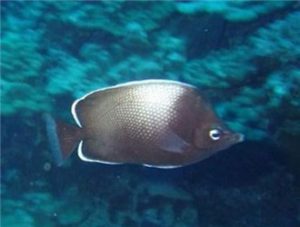
Easter Island Butterflyfish
The Easter Island Butterflyfish is a tropical ornamental fish with a pointed snout (not tubular), a single dorsal fin, and scales bearing gray-white spots that form a net-like pattern.
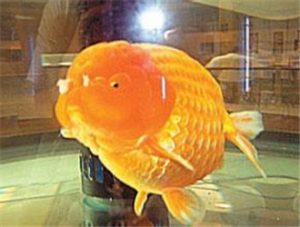
Fuzhou Ranchu Goldfish
Fuzhou Ranchu is a branch of the egg-shaped goldfish distinguished by its well-developed head growth. Originally introduced from Japan, its unique form has made it one of the most popular goldfish varieties today.
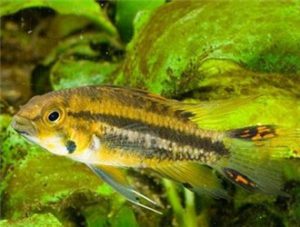
Cockatoo Dwarf Cichlid
The Cockatoo Dwarf Cichlid (Apistogramma cacatuoides) was found in Brazil in 1951 and has been heavily line-bred since. A relatively easy but shape-sensitive dwarf cichlid from the Colombian Amazon, males reach 8 cm with tall fins and orange-red spots. It likes soft acidic water and live foods.

Goose-Head Ryukin Goldfish
The Goose-Head Ryukin Goldfish is a goldfish variety with its own distinctive look, sharing goldfish habits. A strong swimmer not picky about water, it is easy to keep. It breeds in spring (April-May) and reaches 10-15 cm.

Shortfin Lionfish
The Shortfin Lionfish (Dendrochirus brachypterus), also called the Shortfin Turkeyfish, is a carnivorous reef fish from the Indian and Pacific Oceans. It rests on the bottom and ambushes prey with venom-bearing fin spines, so it is rarely kept and needs a 250 L marine tank with care around its toxic spines.

Six-Banded Distichodus
The Six-Banded Distichodus (Distichodus sexfasciatus) is a Congo native named for its six black bands, though its 'short nose' is only relative to the long-nosed distichodus. Its body edge shows blue fluorescence under light. It reaches 30 cm, is robust but short-tempered, and needs a large tank.

Texas Cichlid
The Texas Cichlid is a large, fierce carnivorous cichlid from Mexico and the Amazon, reaching 20-30 cm. Its gray body is covered with white, blue, and black spots. Strong and not hard to keep, it must not be mixed with small fish due to its aggression and territorial nature.