Search Results
4113 results for “ear pH”
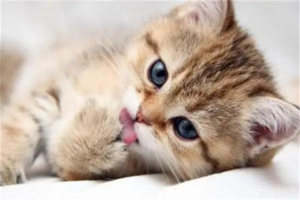
Cat Rectal Prolapse: Causes and Treatment
A rectal prolapse, where rectal tissue pushes out past the anus, is usually tied to long-term diarrhea, constipation, or intussusception, and it will not heal on its own. The direct cause is rising abdominal pressure. If your cat prolapses, treat any underlying constipation or diarrhea first, then seek veterinary care so the tissue does not become inflamed, infected, or necrotic. In mild cases you may gently rinse and replace the tissue at home, but persistent or severe prolapse needs prompt surgery.
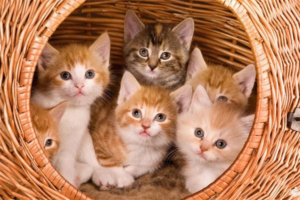
How to Relieve Hiccups in Cats
Cat hiccups are usually harmless and happen when the diaphragm spasms, often from eating too fast or too much, drinking too little, swallowing hairballs, or an underlying illness. An occasional hiccup that passes quickly is nothing to worry about. If your cat hiccups frequently, keeps hiccupping for more than a day, or shows other signs such as vomiting, drooling, or low energy, see a veterinarian. You can reduce hiccups by slowing your cat's eating, keeping fresh water available, and limiting how much fur it swallows.

Choosing the Right Skin Spray for Cat Fungal and Bacterial Dermatitis
Cat skin problems such as ringworm, allergic dermatitis, and mite infestations share overlapping signs—hair loss, itching, scaling—which makes guessing the right treatment risky. Using a product aimed at only one pathogen often fails when the real cause is different, leading to repeated flare-ups and irritated skin. A well-designed pet skin spray should offer broad-spectrum activity against both fungi and bacteria, penetrate the skin surface to reach deeper infection, and support barrier repair so problems stop recurring. This guide explains the main types of cat skin disease, why a penetrating broad-spectrum formula works better, the safety and ingredient features to look for, and why a veterinary diagnosis should come before you reach for any spray.

Is It OK Not to Dock a Corgi’s Tail?
Corgis can absolutely keep their tails. They're born with them; docking began because working herders wanted to avoid tail injuries and aid movement. Today, as family pets, most corgis have no need for it—and many are docked only because owners like the look. But the tail matters: it helps with balance, expresses emotion, and its removal can affect wellbeing and even invite bullying. The surgery also carries pain and infection risk. Unless necessary, leaving the tail is the kinder, healthier choice.
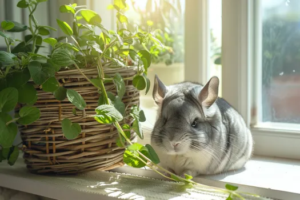
How to Relieve Gas and Bloating in Chinchillas
When a chinchilla is bloated, you can gently massage its abdomen to encourage gut movement and help gas pass. If the bloating persists or worsens, consult a veterinarian who can examine the cause and advise proper treatment. For chinchillas that bloat often, adjust the diet and offer more hay, since its fiber supports digestion and prevents gas. Feeding smaller meals several times a day instead of one large portion also slows eating and reduces digestive upset. This article covers the common signs of bloating and the practical steps you can take at home to help your chinchilla feel better.

Why Is My Dog in Pain When Urinating?
When a dog shows pain while urinating, the cause is usually a problem in the urinary tract, such as a urinary infection, bladder stones or crystals, or a blockage. Along with painful urination, you may notice frequent or urgent attempts to urinate, straining, reduced output, blood in the urine, cloudy or pus-like urine, or a complete inability to pass urine. Because these conditions can quickly become serious, any sign of painful urination means your dog should be seen by a veterinarian promptly. Diagnosis may involve urinalysis, X-rays, ultrasound, or other tests, and treatment is chosen according to severity, ranging from relieving a blockage and catheterization to medication or surgery.
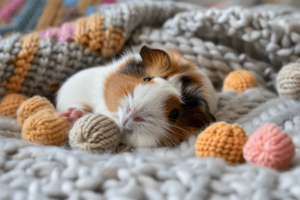
Essential Hamster Care: What Every Owner Should Know
Keeping a hamster healthy and extending its lifespan depends above all on proper husbandry. Before bringing a hamster home, owners should prepare a spacious cage with suitable bedding, a food bowl, a water bottle, and an exercise wheel, then keep the enclosure clean and disinfected on a regular schedule. A balanced diet built around a high-quality hamster mix, supplemented with small amounts of fruit and vegetables, and constant access to fresh, safe drinking water are equally important. This guide covers the fundamentals of scientific hamster care: building a comfortable habitat, providing nutritious food and clean water, maintaining a tidy living space, encouraging daily exercise, reducing stress, and managing temperature through the seasons. With the right setup and routine, even first-time owners can help their pet thrive.
Smells Cats Hate Most (and Why They Matter)
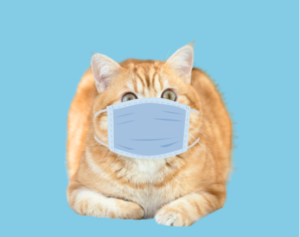
A cat's nose is far sharper than ours, so scents we find fresh can be 'chemical weapons' to them. Most cats hate high-menthol products (white flower oil, cooling balms), citrus peels (limonene and linalool irritate their scent nerves and the plants are mildly toxic), and perfumes. They also reject other cats' smells—a stranger's scent can trigger defensive puffing and hissing. Alliums, camphor products, and vinegar round out the list, while secondhand smoke's 7,000-plus chemicals threaten a small cat's lungs far more than a human's. Keep these away from your cat.
100 Essential Tips Every New Cat Owner Should Know
Bringing home a first kitten is exciting but daunting, and poor care can hurt both of you. These 100 essentials cover diet (life-stage food, toxic grapes/chocolate/onion/garlic, no bones or raw meat, fresh water), daily care (brushing, nail and ear cleaning, litter hygiene, n+1 boxes), health (vaccines at 8–12 weeks, deworming, normal temperature 38–39.2°C, spay/neuter, no human meds), behavior (slow blinks, tail talk, no punishment), and home safety (screens, hiding wires, toxic plants, no smoke). Read them once and you'll share a calmer, healthier life with your cat.
Does a Cat’s Personality Change After Neutering?
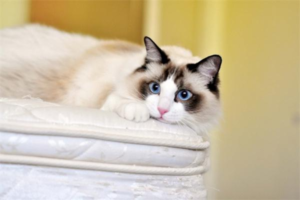
The belief that cats turn gentler after neutering is partly true but not guaranteed. Neutering removes the testes or ovaries and uterus, so a cat can no longer breed and its sex hormone levels drop. Without heat cycles driving hormones up, many cats become calmer and more stable, with less aggression and territorial drive, and they often accept petting more willingly. But the direction and size of any change depend on the cat's age, temperament, and environment. Some become more aloof and less social, and right after surgery a cat may act irritable and lose appetite from pain, fear, and the stress of the procedure. Others show no clear change at all, especially if their personality was already steady. Support your cat through mood swings with extra affection, a stable routine, private space, and more gentle interaction. Neutering does not rewrite a cat's core self, so stay patient and respect its individuality.