Search Results
4113 results for “ear pH”

Heat Alert: What to Do When Hot Pavement Burns Your Dog’s Paws
When it's over 30 C, asphalt can exceed 60 C, and dark surfaces can hit 70 C by early afternoon, so paw-pad burns are a top summer injury. A dog's pads sense heat with a delay and may keep walking despite pain, so the owner must judge safety: press the ground with your hand for 7 seconds, if it hurts you it burns them. Signs include limping, red swollen pads, blisters, constant licking, and yelping. First aid: move off the heat, rinse the pad with cool running water 15 minutes, flush with saline, dab with povidone-iodine (never alcohol), apply a pet burn ointment, loosely bandage, and use a cone. Severe cases with open wounds, bleeding, or black scabs need a vet. Walk before 7 a.m. or after 8 p.m. on grass.
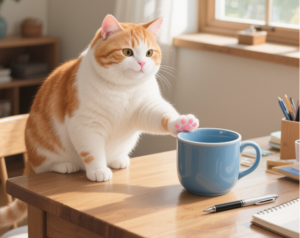
Why Does Your Cat Keep Pushing Things Off the Table?
When your cat knocks your cup or pen to the floor, it isn't pure mischief. A 2019 Cornell study found domestic cats keep about 80% of their wild hunting instinct, so they treat desk objects as "motionless prey" and the push is a mock hunt, especially for round things that roll like escaping prey. Cats are also smart readers of your mood; any big reaction, scolding or a wry laugh, teaches them that pushing things earns attention, and bad attention beats being ignored. Frequent exploring is actually a mental-health sign. Curb it with a designated play zone, daily hunting games, ignoring the act, and physically securing valuables.

Goodbye Dog Smell: How to Cut Summer Odor
A dog's stronger summer smell comes from more active sebaceous glands plus humid air that speeds surface bacteria. The common "wash more when it stinks" reflex is wrong, frequent baths break the skin's oil barrier and make odor worse. Bathe every 2-3 weeks (short hair) or 1-2 weeks (long hair or active dogs), focusing on paws, groin, ears, and anal glands, using a pet shampoo with tea tree or rosemary. Brush teeth 2-3 times a week, give dental chews every few days, clean ears, feed quality protein with veggies, and wash the bed and toys while keeping the room aired. A sudden strong smell with red skin or hair loss needs a vet.

Do Cats Hold Grudges After Being Hit? (Why You Shouldn’t Hit Them)
Many owners think a single hit is no big deal, but cats have strong short-term memory for painful or frightening events. A kitten may not "hold a grudge" but will remember being hurt and slowly lose trust, hiding whenever it sees you. Adult cats remember even more and are quicker to resent. Hitting rarely teaches a lesson, since only a few very smart cats grasp your intent. Signs of a grudge include refusing touch, destroying things, inappropriate elimination, counter-attacking, or running away. The fix is to stop all physical punishment, rebuild trust with treats and play, and correct with a firm voice, time-out, rewards, or a mother-cat style neck tap instead.

Bringing Home a 2–6 Month Old Puppy or Kitten: A Complete Care Checklist
A new 2–6 month old puppy or kitten is fragile, and mistakes in the first weeks—too much handling, wrong food, missed vaccines—can cause stress, illness, or worse. Start by letting the pet settle alone for 1–2 hours before gentle interaction; keep the same food it had before (soak kibble if needed) and feed 3–4 small meals a day. Watch the first week closely, since transport can expose them to panleukopenia, cat flu, distemper, or parvovirus on top of stress. The vaccine and deworm timeline matters: deworm first, wait at least 7 days, then vaccinate (dog multivalent from ~45 days, three shots 21 days apart, rabies at 3 months; cat FVRCP from 2 months, three shots 28 days apart, then rabies). Don’t bathe, delay outings until vaccinated, and never feed toxic people foods like grapes, chocolate, coffee, or avocado.
How to Choose a CoQ10 Supplement for Pets
CoQ10 only helps the heart if it is taken correctly and in enough amount. Pets with heart disease show lower CoQ10 levels, and veterinarians commonly add it to prescribed medication as long-term support; seniors over about 7, obese animals, and high-risk breeds (Toy Poodles, Pomeranians, Maine Coons, Ragdolls) benefit most. Because the heart is the body’s highest-energy organ, a deficient dose is essentially wasted—especially since older pets absorb less. When choosing, look for a clearly labeled, well-absorbed dosage from a yeast-derived source, combined antioxidants (fucoxanthin, olive, astaxanthin, vitamins C and E), and a pet-specific form. Avoid three traps: substituting human CoQ10 (some contain pet-toxic xylitol), using it to replace prescription drugs, and inconsistent use.
Cat Ringworm and Stubborn Skin Issues: How to Choose Treatment
Ringworm (dermatophytosis, often Microsporum canis) is famously stubborn and recurrence-prone, and the usual reason is that a surface-only spray never reaches the fungi hiding in the dermis—so it looks better for a day or two, then flares again. Human products can also irritate cat skin. The practical rule is to match the treatment to severity: a broad-spectrum antiseptic spray for early mild spots, a terbinafine spray for a confirmed simple fungal infection, and a ketoconazole-plus-metronidazole ointment when the lesion is ulcerated, smelly, and mixed with bacteria. This article explains why ringworm recurs, how to pick by stage, and the cautions (licensed products, environmental cleaning) that actually stop it coming back.

What Types of Dog Collars Are Available?
Choosing the right collar matters for every dog owner, both for safe daily walks and your dog's comfort. The market offers a wide variety of options—leather, nylon, metal chain, buckle, harness-style, studded, and even GPS-tracking collars—each designed with distinct advantages. Leather collars are durable and attractive but not water-resistant; nylon is light, washable, and adjustable; chain collars suit strong pullers yet require gentle handling; buckle collars grow with puppies; harness collars are cute and reduce strain; studded collars deter escapes; and GPS collars help recover a lost pet. Matching the collar to your dog's size, breed, and behavior—along with your own preferences—ensures both safety and comfort.

Signs Your Hamster Is About to Give Birth
As birth approaches, a hamster shows signs such as a visibly enlarged abdomen, reduced or refused appetite, less activity, bloody discharge from the vulva, and heightened alertness, while also seeking a suitable place to deliver. Prepare in advance, give extra attention, and provide a quiet, comfortable environment to protect the mother and her pups.

Why Does Your Dog Keep Licking Its Paws?
Frequent paw licking can be boredom, an early sign of interdigital dermatitis or skin infection, a wound, or damp 'athlete's foot'. Long paw fur that stays wet breeds bacteria and leads to interdigital inflammation, so trim and dry the fur and clean the paws after walks. Check for cuts from stones, thorns, or glass, and for parasite or yeast infections that itch. If the paws look normal, the licking is likely boredom, and more playtime helps prevent the loneliness that can slide into depression.