Search Results
4113 results for “ear pH”
Why Is My Senior Dog Panting Heavily?
Rapid breathing in a senior dog is not 'just old age' — a normal rate is 10–40 breaths per minute and seniors are usually slower. Persistent fast, heavy breathing at rest points to heart or lung disease, metabolic upset, chronic pain, or environment (heat, poor air, obesity, brachycephalic breeds). Keep it cool, calm, and ventilated, log the rate and other signs, and see a vet promptly; many senior diseases progress fast.

How to Read (and Lift) a Cat’s Bad Mood
An unhappy cat may go quiet and hide, eat less, over-groom or stop grooming, urine-mark, or lose interest in toys. Cheer it up with company, brushing, treats, and praise; cut stressors and keep a calm routine; a plug-in pheromone diffuser helps. A cat mirrors your mood, so stay calm — and remember that lasting low mood can cause urinary blockage or weight loss.

Why Is My House-Trained Dog Peeing Indoors?
A house-trained dog that suddenly pees indoors often has a medical cause — a UTI, bladder stones, cognitive decline, kidney disease, diabetes, or Cushing's — or a psychological one like separation anxiety, stress, or fear from past scolding. Rule out illness first with a urine and ultrasound check, then rebuild security with routine and calm alone-time training.

How to Manage a Cat’s Frequent Soft Stools
Frequent soft stools usually come from a sudden food change, allergy, bad food, parasites, or gut-flora imbalance. Keep a food diary, switch foods over 7 days, add a cat probiotic, cut environmental stress, and deworm regularly; if it persists with weight loss, a fecal test and prescription diet may be needed.

How to Tell If a Dog Has Rabies
Rabies is nearly 100% fatal once symptoms appear, but it is preventable. Signs run from behavior change and sensitivity, to frantic biting and drooling, to paralysis and death. After a bite, use the 10-day observation method and always clean the wound and seek vaccine promptly; vaccinate your dog yearly.

Can Dogs Bully Each Other? How to Tell and Step In
Dogs can bully each other — one dog persistently dominates and intimidates another that never gets a turn. Unlike mutual play (roles switch, bodies stay loose), bullying is one-sided and tense. A bullied dog may fear certain places, lose appetite, over-groom, or turn aggressive, so step in early and manage playmates, time, and the environment.
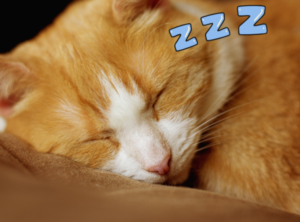
Is It Normal for a Cat to Sleep All Day?
It's normal for a healthy adult cat to sleep 15–20 hours a day (kittens and seniors even more). Most of that is light dozing — only 20–30% is deep sleep. If your cat wakes cheerful and eats normally, don't worry; but sudden lethargy with appetite loss, weight loss, fast breathing, or hiding needs a vet.
How to Spot Low-Quality Cat Food at a Glance
So-called 'toxic' cat food is rarely actual poison but poor nutrition — vague meat sources, too much grain or legumes, and preservatives like BHA, BHT, and menadione that harm cats over time. Check the ingredient list and price (genuine food is never rock-bottom cheap), and always switch brands gradually over about a week.

Why a Schnauzer May Not Be the Right Dog for You
Schnauzers are clever, brave, and cheap to feed, but they are not as easy as they look: they bark when left alone or visited, they are smart yet stubborn, they have sensitive skin prone to allergies and infections, they carry hereditary risks like progressive retinal atrophy and intervertebral disc disease, and their long coats need regular grooming. New owners should think carefully.

The Dangers of Feeding Bones to Dogs
Feeding bones to dogs can cause intestinal blockages, mouth injuries, nutritional imbalances, and constipation. If you do offer bones, choose large, hard varieties (never small or brittle ones like chicken or fish), boil them plain, and keep the amount and frequency low.