Search Results
4113 results for “ear pH”
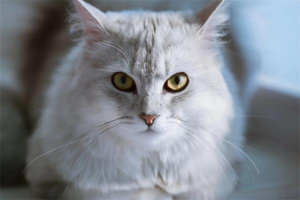
How to Help Your Cat Develop Fuller Cheeks
A cat's "chipmunk cheeks" (stud jowls) are a male secondary trait driven by testosterone, with the key window at 5–8 months and set by about 12 months. Support it with high-protein food (35%+), meat, regular deworming, neutering at 8–10 months, and jaw exercise — but many cats (females, Siamese, Sphynx) simply won't develop them.
Cat Destroying the House or Peeing Everywhere? It May Be Separation Anxiety
A cat that wrecks furniture, pees on the bed, cries for hours, stops eating, or over-grooms when left alone may have separation anxiety — not just mischief. Causes range from early trauma and environment changes to clingy breeds and single-person attachment. Fix it with desensitization to leaving cues, environmental enrichment, and scent-based security.
Can Guppies and Shrimp Live Together?
Guppies are tropical fish that thrive at 24–28°C, not far from shrimp's preferences. However, guppies can be aggressive and may eat small shrimp, while large shrimp can injure a guppy. Shrimp also breed fast, and the fry become extra food for guppies. As a rule, it's best not to mix them; if you must, choose small, hardy shrimp such as ghost shrimp, red cherry shrimp, or sakura shrimp.
Feeding Your Cat Chicken Liver? Watch Out for Vitamin A Toxicity
Vitamin A is vital for cats but fat-soluble, so excess is stored and builds up to toxic levels — usually from too much liver or stacked supplements. Chronic toxicity causes stiff gait, joint pain, dry skin, coat loss, and gut upset, and the bone damage can be permanent. Feed liver only as an occasional treat and rely on a balanced AAFCO/FEDIAF complete food.

How to Feed a Pregnant Dog for Healthy Puppies
A pregnant dog needs protein, fat, minerals, vitamins, and fiber, but timing and amount matter: keep the early diet steady, then boost protein, fat, and minerals from about day 40 as puppies grow. Use pregnancy-formula food or add meat, vegetables, and supplements.

What Happens If a Hamster Has No Exercise Wheel?
Hamsters are active animals that need to run; without a wheel they can grow anxious, gain weight, and weaken physically and mentally. Pick a wheel sized to your hamster - too small risks the spine - and of good, quiet quality.
At what age do dogs reach menopause?
It varies: some at 7–8 years, some never and keep cycling into old age. Heat (the 'period') lasts about 1–2 weeks with bleeding. Keep clean; spay if no breeding plan — it stops bleeding and cuts reproductive-disease risk, extending life.
How do cats get rabies?
Cats usually catch rabies from a bite by a rabid animal, eating an infected carcass, or inhaling virus-laden air. The incubation is 6–8 weeks (some months to years); they can spread it 3 days before symptoms. Vaccinate yearly; treat bites promptly.

Think Twice Before Getting a Chow Chow — Unless You Can Live With These Traits
Chow Chows are an ancient, lion-coated breed that is clean, quiet, and loyal, but they are far from easy to keep. Their stubborn independence makes training and walks a challenge, and as a short-nosed breed they overheat easily, drool, snore, and shed heavily while needing costly, careful grooming. They suit calm, experienced owners with patience, space, and budget — not first-time dog parents seduced by the cute 'grumpy' face.
What medicine for a dog’s keratitis?
Keratitis needs chloramphenicol drops, artificial tears, bFGF and similar medicines. It ranges from traumatic, superficial, chronic-superficial, interstitial to ulcerative, causing tearing, corneal clouding, ulcers even perforation. Mild damage: anti-inflammatory and repair drops plus 3% boric acid or saline rinse. Severe ulcer: antibiotic injections; uncontrolled infection may need eye removal.