Search Results
4113 results for “ear pH”

How to Handle Milk Engorgement in Nursing Dogs
Milk engorgement in lactating dogs is common and, when mild, can be eased by adjusting the diet and gently massaging or warm-compressing the mammary glands. Severe cases—especially those involving mastitis—require prompt veterinary attention, often with antibiotics and manual milk drainage. Preventive care centers on balanced feeding, moderate exercise, and stress reduction.

How to Handle a Bad-Tempered Cat
A cat's bad temper may be innate or caused by poor handling or stress. Build trust through a safe environment, a stable routine, and positive training that redirects its attention, and the behavior will improve.
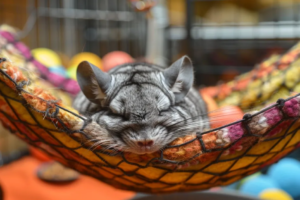
What Are the Signs a Hamster Is Dying?
As a hamster nears the end of life you may notice weight loss, a dull coat, sluggish movement, rapid or faint breathing, and difficulty urinating or passing stool. It may also withdraw and sleep far more than usual. Keep its cage quiet, warm, and clean, and offer soft, nourishing food.
How do you teach a bird to talk?
Give a bird a stable home and expose it to speech, then teach short clear words repeatedly. A recorder helps, with about a week per phrase.
What happens if a Teddy eats human food?
Human food gives a Teddy excess salt, causing rough coat, shedding, tears, and dental disease from stuck soft food. Heavy seasoning burdens kidneys.
What does dog fever look like?
Fever shows temperature over 39.5 C, lethargy, slow response, dry nose, lost appetite, more drinking, fast heart, red conjunctiva and quick breathing. Cool physically with diluted alcohol or cold water on paws and ears, or an ice pack nearby, with ventilation. If temperature won't drop, get a fever shot.
My dog’s heat stopped two weeks ago; could she be pregnant?
From the belly and breast photos there is no clear sign of pregnancy. Early signs include a bigger belly, swollen red nipples and discharge, plus behavior changes like clinginess, more appetite, sleepiness and less activity. Early on it is hard to tell by look; confirm with an abdominal ultrasound at 28-35 days.
How do you keep an arowana (dragon fish)?
Arowanas are large, needing a big tank, at least 150x80x60 cm, with clear glass. Keep water at 28-30 C with a heater, pH 6.5-7.5, change 1/3 every 3-5 days. They are omnivorous; feed 1-2 times daily to 70-80 percent full, with some animal and plant food.
How can you train a dog to obey?
Reward good behavior with treats or praise, and firmly but non-physically correct mistakes. Stay patient, as the dog's character reflects its owner's. A calm owner raises a gentle dog.
What happens if a Teddy is not docked (tail not cut)?
Not docking a Teddy's tail has almost no physical effect, though an undocked tail may not match common aesthetic preference; many breeders dock early for profit. Docking can avoid feces on the tail and tail fractures, but overall it is not important if the owner accepts the natural tail.