Search Results
4113 results for “ear pH”

Why Does My Cat Keep Lifting Its Butt?
A cat lifting its rear can be a normal reflex — many cats instinctively raise their hindquarters when their bottom is touched. It can also happen during heat, when feeling relaxed, or as a form of greeting. This article covers the common reasons cats lift their butt.

5 Dog Breeds That Make Great Guard Dogs — Loyal and Easy to Keep
Good guard dogs combine loyalty, alertness, and easy care. The Doberman, German Shepherd, Chinese Rural Dog, Wolf Green Dog, and even the tiny Chihuahua all excel at protecting home — though the first four are banned in many cities, while the Chihuahua suits apartments if trained not to bark.

Common Mistakes to Avoid When Raising a Cat
Many new cat owners lack experience and misunderstand their pets, leading to common care mistakes such as keeping toxic plants, scolding the cat, or feeding table scraps. This article lists typical cat-raising mistakes so owners can avoid them.

Can Blood Parrot Cichlids Eat Mealworms, and How Often?
Blood parrot cichlids are popular, lively, sometimes greedy fish, so owners should know their diet. Mealworms are a common feed — can parrots eat them, and how often? This article explains.
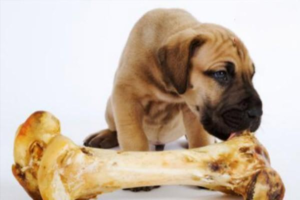
Should Dogs Eat Bones? How to Do It Safely
Vets often warn against bones because they are hard to digest and can block the gut, yet they also clean teeth, calm boredom, and add calcium. If you do give them, choose raw, large, non-hollow bones and avoid cooked poultry bones that splinter; cartilage, pressure-cooked bones, fish heads, necks, tails, frames, and pork fans are safer picks.

Preventing and Controlling Rabbit Colibacillosis
Rabbit colibacillosis (mucoid enteritis), caused by Escherichia coli, strikes weanling rabbits hardest with high death rates from watery, jelly-like diarrhea and dehydration. Prevention hinges on steady high-fiber feeding, clean dry housing, insect and rodent control, and feed-additive or vaccine prophylaxis.
When Will a Hen Pigeon Lay Again After Chicks Hatch?
After chicks hatch, the hen pours time and energy into care, so she can't lay again soon — raising the question of when she will. This article explains the timing and brooding care.

Rabbit Cannibalism of Kits: Causes and Prevention
Cannibalism of kits is a metabolic and nutritional disorder that peaks right after kindling, driven by salt, calcium, protein, or B-vitamin gaps, thirst, fright, odd smells, or poor mothering. Signs are missing kits with blood in the box. Prevent with complete feed, ample water, no handling of kits, quiet surroundings, and isolating the doe if she has the habit.

Rabbit Louse Infestation: Signs and Treatment
Rabbit pediculosis is caused by the rabbit blood-sucking louse (Haemodipsus), spread by contact, that bites and itches the skin, causing restlessness, weight loss, and poor coats, worst in kits. Spot the lice and yellow eggs at the fur base; treat with ivermectin injection or coumaphos/trichlorfon/fenvalerate washes, and prevent by quarantine, cleaning, and routine deworming.

Feline Hepatic Lipidosis: Causes and Treatment
Fatty liver, also called hepatic lipidosis, is an endocrine disorder from impaired liver cells. In cats it's often triggered by anorexia, obesity, or stress. This article details it.