Search Results
4113 results for “ear pH”

Are You Also Troubled by Your Dog’s Bad Breath?
There are many and varied causes of dog bad breath—oral and dental disease, respiratory infection, or even precursors of digestive or systemic disease. Here we explore the causes and some tips to eliminate it.

How to Prevent Periodontitis in Dogs and Cats
Periodontitis in cats and dogs is usually caused by infection from untimely oral cleaning. It refers to acute or chronic inflammation of the periodontal membrane and surrounding tissues, characterized by periodontal pocket formation, bone resorption, loose teeth, and gum recession, and is severe once it appears. To spare your pet this pain, let's learn prevention methods together.
How to Tackle Cat Shedding
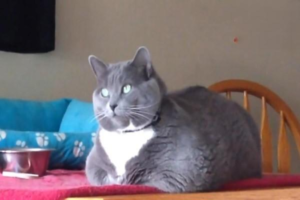
At the mention of shedding, many owners have something to say. Some feel helpless and just clean up silently; others have various ways to manage their cat's coat that keep it looking great while saving themselves effort. Today we talk about cat shedding.

How Does Dog Periodontitis Form?
Periodontitis is a chronic inflammation of the periodontal tissues. Early canine periodontitis is easy to overlook; it is usually only noticed after the inflammation spreads from the gums to the periodontal ligament and alveolar bone and develops into severe periodontitis. The condition has a formation process, and early detection and treatment are important. Read on to understand how it develops.

Can Cats Eat the Food You Eat?
Many owners soften when their cat begs for food with a pitiful look. While that's natural, some human foods are dangerous for cats and can cause health problems if eaten. Before sharing your food, learn which human foods are safe and which are not. Here we discuss which people foods cats can eat.
Why Does My Dog Urinate Slowly?
Slow, prolonged urination means the dog struggles to pass urine despite a full bladder, often with frequency and low volume. Common causes are urinary stones or blockages, infection and inflammation, or nerve damage, each needing a vet diagnosis and targeted treatment.

Why Is My Dog’s Urine Cloudy?
Cloudy dog urine usually signals an underlying problem, ranging from harmless pigment in food to serious issues like liver or kidney disease, urinary stones, or infection. The color of the urine (red, yellow, or white) helps narrow down the cause, and a veterinary exam is often needed to confirm.

Factors Behind Sore Hocks (Pododermatitis) in Rabbits
Sore hocks cost rabbit breeders economically and are common, so prevention matters. This article explains the factors that trigger sore hocks in rabbits (especially Rex rabbits) and how to prevent them.

Causes and Care of Canine Periodontitis
Canine periodontitis comes from fungal/bacterial infection, physical injury (sharp objects, heavy metals), immune issues, and metabolic problems (kidney failure, hypothyroidism, B-vitamin lack). Simple cases use antibiotics plus metronidazole; heavy tartar needs scaling, rinsing, and a mouth spray, with soft food while healing.

What Causes Respiratory Disease in Cats?
Feline respiratory disease comes from infection (virus, bacteria, fungus), inflammation (asthma, COPD), congenital defects (Persian brachycephalic), tumors, cardiovascular issues, inhaled injury (smoke), and parasites. Find the cause to treat it.