Search Results
4113 results for “ear pH”

Why Dogs Need Oral Care
Oral care matters for pets and people alike. Without regular dental checks and cleaning, pets develop oral disease that can affect overall health and even lead to kidney and digestive problems. Common issues include tartar, gingivitis, periodontal disease, and cavities, all preventable through diet, brushing, and professional cleaning.
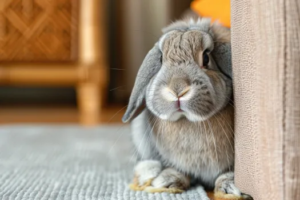
Breeding Taboos for Rabbits
Good breeding is key to profitable rabbit farming, yet some owners breed does back-to-back regardless of health, leading to many kits but poor survival. Avoid close inbreeding, mating too early, over-mating, summer breeding, early or late weaning, mixed-group housing, and poor management to keep reproduction rates and kit health high.

Can Dogs Have ADHD?
Dogs are lively, but there are limits. If a dog can never settle down, it may have ADHD, also called attention-deficit hyperactivity disorder, which impairs focus and learning. Causes include genetics, low blood phospholipid levels, and long-term lack of socialization and exercise; management centers on observation, regular exercise, and social interaction.

What Sounds Do Dogs Hate?
A dog's hearing is far sharper than ours, so it is sensitive to sound. Thunder, sirens, horror-movie scores, fireworks, doorbells and phone rings, vacuums, and car horns all frighten or annoy dogs; even arguing voices stress them. Stay close and calm them through loud events.

What Causes Stud Tail in Cats?
Stud tail is an endocrine skin condition in cats—excess male hormones drive oily blackhead-like lesions on the tail base, chin, and back. Learn the causes, common breeds, and prevention (neutering, diet, exercise, cleaning).

Should You Put Your Pet on a Diet? The Five Harms of Obesity
Obesity in dogs and cats raises risks of heart disease, diabetes, joint damage, anesthesia complications, and urinary stones. Safe weight loss means controlled diet and moderate exercise—never fasting or 'quick fix' methods.

Gastroenteritis in Dogs and Cats: Types, Symptoms & Medication
Gastroenteritis in dogs and cats spans gastritis (acute/chronic) and enteritis (viral, bacterial, parasitic). This guide covers causes, symptoms, and the medication approach—anti-inflammatories, anti-vomiting, anti-diarrhea, dewormers, probiotics—plus prevention.

Treatment and Prevention of Stud Tail Dermatitis in Cats
Stud tail is usually mild but recurs and needs ongoing care. Treatment includes medicated benzoyl-peroxide baths, topical antibiotics, neutering, and—if severe—cellulitis care. Prevention centers on diet, hygiene, and neutering.

Leaving Stud Tail Untreated Can Lead to Cellulitis
Untreated stud tail in cats can progress from blackheads to folliculitis and even cellulitis—painful, spreading skin infection. This article explains the risk and the treatment steps (cleaning, antibiotics, neutering).

What Is Stud Tail in Cats and How to Treat It
Stud tail (tail gland hyperplasia) is an oily, acne-like skin condition in cats caused by hormone-driven sebum overproduction—common in intact males. Learn its causes and the treatment approach: neutering, antibiotics, and topical cleaning.