Search Results
431 results for “ear inflammation”

Is an Occasional Dog Cough a Sign of Heartworm
An occasional cough is not automatically heartworm. Coughing has many causes: respiratory infection, parasites, heart disease, allergies, or excitement, and temporary irritation from smoke, dust, or pollen that eases once the trigger is gone. Heartworm does commonly cause coughing, but also brings labored breathing, weight loss, and odd heartbeat. If those appear with the cough, see a vet promptly for diagnosis and care.
What should I do if my cat’s ear is inflamed and oozing pus?
If your cat's ear is inflamed and oozing pus, take it to a vet promptly so the discharge can be examined and the cause identified. It may be otitis externa or otitis media; mild externa is managed by cleaning and medicating as directed, while more serious media needs a culture/sensitivity test to pick the right drug before regular cleaning and treatment.
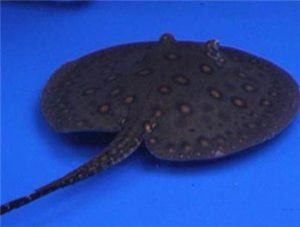
Pearl Stingray
The Pearl Stingray (Potamotrygon motoro), also called the Amazon River Stingray, is a common stingray in aquariums. Its charming pattern of round cream spots like pearls gives the name 'Pearl Stingray'.

Canine and Feline External Ear Canal Tumors
Tumors of the external ear canal arise from the canal's lining or glands and can congest and block the passage, causing discomfort and discharge. Surgical removal of the affected canal usually gives a good outcome.

Salivary Gland Inflammation (Sialadenitis) in Dogs and Cats: Symptoms, Treatment, and Prevention
Sialadenitis is inflammation of the salivary glands in dogs and cats, caused by stones, viruses, or bacteria, leading to swollen, painful glands and fever. It is treated by addressing the cause, reducing inflammation, and veterinary-directed antibiotics.

Ear Mite Infestation in Dogs and Cats (Otodectic Mange): Symptoms, Treatment, and Prevention
Ear mites (Otodectes cynotis) are highly contagious parasites that infect the outer ear canal of dogs and cats, causing intense itching, head shaking, and dark waxy debris. Treatment combines ear cleaning with parasiticides and control of secondary infection.
What medicine should I use for a cat with red, swollen, tearing eyes that won’t open?
Red, swollen, tearing eyes that won't open in a cat are usually from inflammation or allergy. See a vet first to confirm the cause — treatment differs. Allergies are treated with glucocorticoids; bacterial inflammation is treated with a pet-specific antibacterial anti-inflammatory eye drop.
What medicine helps dog tear stains heal faster?
Dog tear stains can stem from a blocked nasolacrimal duct, conjunctivitis or keratitis, and the right treatment depends on the underlying cause. Massaging the tear ducts and using pet eye-care gel help; for inflammation, vet-approved antibiotic eye drops or ointment are used.
What medication helps dog tear stains heal faster?
Tear stains can come from blocked tear ducts, conjunctivitis, or keratitis, so treatment depends on the cause. Gently massage the tear glands and use an eye-care gel to reduce secretion; for inflammation, apply pet-specific antibiotic eye drops or ointment. Breeds with abnormal eye anatomy are especially prone to duct blockage.
Can feline eye inflammation heal on its own?
Mild irritation-induced inflammation may clear on its own, but infected eyes usually need treatment — bacterial with antibiotic drops, viral with antiviral drops.