Search Results
842 results for “ear infection”
Can Dog Heartworm Spread to Humans
Dog heartworm can pass to people, but the chance is low. It spreads through blood, mainly via mosquito bites: a mosquito that bit an infected dog can later bite a human and transmit the larvae. Because the larvae cannot mature in the human body, human cases are rare and usually mild, sometimes causing lung or subcutaneous nodules with fever, pain, or chills. Still, see a doctor if exposed. The bigger risk is transmission to other pets, so deworm and control mosquitoes.
How Long Can a Dog Survive Heartworm
How long a heartworm-infected dog lives depends on infection site and severity, the dog's age and health, and how effective treatment is. Mild cases often recover with medication, while moderate to severe ones may need risky surgery. With proper treatment a dog can live for years; without it, death may come in weeks to months. Seek a vet promptly for diagnosis and care.
Is an Occasional Dog Cough a Sign of Heartworm
An occasional cough is not automatically heartworm. Coughing has many causes: respiratory infection, parasites, heart disease, allergies, or excitement, and temporary irritation from smoke, dust, or pollen that eases once the trigger is gone. Heartworm does commonly cause coughing, but also brings labored breathing, weight loss, and odd heartbeat. If those appear with the cough, see a vet promptly for diagnosis and care.
A red fleshy growth suddenly appeared at the inner corner of my dog’s right eye – what is it?
The fleshy red growth at the inner corner of your dog's eye is most likely a prolapsed third eyelid (cherry eye), often caused by irritation, bacterial infection, or genetics. Start with conservative treatment - anti-inflammatory eye drops at least three times daily and a low-salt, low-oil diet - but watch closely, as it can recur. If it hasn't shrunk after 7-10 days or keeps growing, have it surgically removed or repositioned by a vet.
Red-Eared Slider Shedding but Not Eating: What to Do
A red-eared slider that sheds but stops eating may simply be reacting to the molt, or it may signal a problem with temperature, water quality, or health. First check that the habitat is right, then adjust water temperature and change water regularly. Offer varied foods like fish, lean pork, shrimp, and snails to tempt appetite, and use a dangled-food trick if it will not bite. If the fast drags on or other symptoms appear, consult a veterinarian.
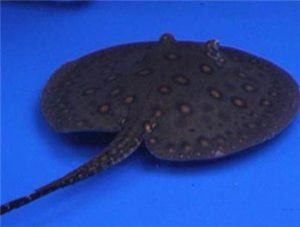
Pearl Stingray
The Pearl Stingray (Potamotrygon motoro), also called the Amazon River Stingray, is a common stingray in aquariums. Its charming pattern of round cream spots like pearls gives the name 'Pearl Stingray'.

Red-eared Slider
The world's most popular pet turtle and, outside its native range, one of the most damaging invasive species - hardy, personable, but a serious ecological responsibility.

Dog Panting After a Few Steps? Don’t Ignore Heart Trouble
A dog that pants heavily or struggles to breathe after only a short walk may be signaling heart disease rather than mere old age or extra weight. Key warning signs include a sudden drop in stamina, labored breathing at rest, blue-tinged gums, nighttime coughing, and lethargy. Early veterinary diagnosis and daily heart-care management can dramatically slow progression and extend your dog's life.

Canine and Feline External Ear Canal Tumors
Tumors of the external ear canal arise from the canal's lining or glands and can congest and block the passage, causing discomfort and discharge. Surgical removal of the affected canal usually gives a good outcome.

Canine and Feline Ear Laceration
An ear laceration is a torn wound of the ear flap, usually from fighting, rough play, or prolonged squeezing and friction. Treatment depends on depth — from simple skin closure to separate repair of cartilage and skin — and an Elizabethan collar protects the healing wound.