Search Results
299 results for “ear dermatitis”

Why Rabbits Develop Foot Dermatitis
Rabbits lack paw pads, so their bare soles are easily damaged. Foot dermatitis forms from humidity, mites, rough cage floors, poor hygiene, and sparse foot fur—a clean, dry hutch avoids most cases.

Factors That Influence Rabbit Foot Dermatitis
Rabbit foot dermatitis (sore hocks) is driven by genetics, body size, hutch dampness, and cage-floor construction. This article breaks down each risk factor and the clinical signs to watch for.
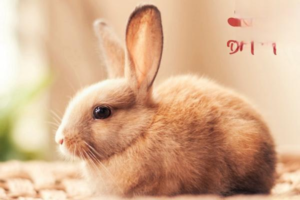
Rabbit Foot Dermatitis: Symptoms & Treatment
Rabbit sore hocks start as hair loss, crusting, and redness, then deep pus cavities if untreated—even sepsis. Treatment is daily cleaning with peroxide, deep medication, an E-collar, and consistent care.
Rabbit Foot Dermatitis: Symptoms & Treatment
Rabbit sore hocks start as hair loss, crusting, and redness, then deep pus cavities if untreated—even sepsis. Treatment is daily cleaning with peroxide, deep medication, an E-collar, and consistent care.

Rabbit Foot Dermatitis: Symptoms & Treatment
Rabbit sore hocks start as hair loss, crusting, and redness, then deep pus cavities if untreated—even sepsis. Treatment is daily cleaning with peroxide, deep medication, an E-collar, and consistent care.

Rabbit Foot Dermatitis: Symptoms & Treatment
Rabbit sore hocks start as hair loss, crusting, and redness, then deep pus cavities if untreated—even sepsis. Treatment is daily cleaning with peroxide, deep medication, an E-collar, and consistent care.

What Causes Foot Dermatitis (Sore Hocks) in Rabbits?
Rabbit foot dermatitis (sore hocks) is a chronic Staphylococcus infection sparked by damp cages and wire-floor scrapes. Treatment: a smooth resin cage, wound cleaning, iodine, erythromycin, penicillin, and daily exercise.

Treatment and Prevention of Stud Tail Dermatitis in Cats
Stud tail is usually mild but recurs and needs ongoing care. Treatment includes medicated benzoyl-peroxide baths, topical antibiotics, neutering, and—if severe—cellulitis care. Prevention centers on diet, hygiene, and neutering.

Dog Licking Toes or Kicking Legs? Beware Interdigital Dermatitis
Paw care is easily overlooked by owners, but it is necessary—pad care and nail trimming protect paw health and prevent interdigital dermatitis. Today we explain what interdigital dermatitis is and what happens when a dog gets it.

Tips to Cure Canine Interdigital Dermatitis
Dogs are more prone to interdigital dermatitis in summer. Today we share tips: to treat and prevent it, keep the paw pads dry and trim paw fur and nails often. If you find reddish attachments between the toes, remove them promptly, disinfect with hydrogen peroxide, then supplement vitamin A and E. Details below.