Search Results
35 results for “ear cleaner”
What to Do When Your Cat Loses an Entire Claw?
If your cat loses a whole claw, stay calm and watch for other symptoms while caring for the wound. A claw is made of keratin and sheds naturally over time, but a full loss usually comes from overzealous scratching on windows or furniture, an injury, or a claw disease such as an ulcer. If the claw has simply come off and there is a wound, rinse it with saline, disinfect with iodine, and apply an anti-inflammatory ointment three times a day to prevent infection and aid healing. Keep an Elizabethan collar on so the cat cannot lick the spot, and see a vet if infection or other signs appear. To lower the risk, fit window guards, trim claws regularly with proper pet clippers and technique, and keep up with grooming. Most claw losses are minor; calm observation and good wound care are usually enough.
Why Is Your Dog Gasping or Breathing Rapidly?
Occasional rapid breathing or gasping is normal after exercise or in heat and settles quickly. But it can also signal disease: respiratory infection, a blocked esophagus, tracheal stenosis, or heart problems. If it is frequent or lasts long, see a veterinarian. Prevent issues by keeping air fresh, grooming and deworming regularly, avoiding smoke and strong odors, and scheduling routine checkups.
How Often Should You Bathe Your Dog in Summer?
Bathing your dog once a week is usually too often. A dog's skin relies on its sebum layer to stay moist and protected; over-bathing strips it, causing dryness, worse odor, and skin infections. Frequency should follow coat type and lifestyle—indoor small dogs may need only every two to three weeks, while active outdoor dogs can go weekly. Between baths, wipes, toothbrushing, and ear care keep odor down.
How to Take Care of a Corgi
Corgis—those adorable 'short legs'—need careful care to stay healthy. Feed on a 'moderate, timed, fixed-spot' routine: about three meals a day, each finished in 5–10 minutes, with constant water. Don't overfeed; corgis love food and gain weight easily, and obesity drives heart disease and strain on their leg joints. Their thick coat sheds heavily, so brush often to prevent mats, and add lecithin and fish oil for skin and coat. They are energetic and need daily walks or runs. Because their low build lets dirt reach the urethra, keep the environment clean and watch for discharge. Train with clear rewards and corrections, and start 'quiet' training early since they bark loudly.
What to Do When Your Guinea Pig Won’t Drink Water?
Guinea pigs need a steady supply of fresh water, and refusing to drink can quickly lead to dehydration and digestive trouble. The cause is often practical rather than medical: too much moisture in their food, stale or dirty water, a poorly placed bottle, or simply a bad habit. Most cases improve once you trim watery produce, switch to a proper small-pet water bottle at the right height, keep it scrupulously clean, and gently train your pet to use it. If a sudden refusal to drink comes with low appetite or lethargy, see a veterinarian to rule out illness.
Why Is Your Dog Suddenly Drooling a Lot? 4 Causes to Watch
Dogs pant to cool off, so some drool on a hot day is normal. But sudden, heavy salivation in normal temperatures can signal trouble. The causes worth flagging are oral disease, poisoning, heatstroke, and neurological problems, with severe kidney or liver disease and even rabies as grave possibilities. Teething, car sickness, or excitement explain milder cases. When drooling pairs with collapsing, seizures, or suspected toxin exposure, head to the vet at once.
Can Dog Parvo Infect Humans?
Canine parvovirus does not infect people—it's a canine-only virus with no ability to cross species to humans. Owners should focus on saving the dog and stopping dog-to-dog spread, not on catching it themselves. Parvo is extremely contagious and often fatal among unvaccinated dogs, especially puppies, so fast veterinary care and thorough disinfection at home are what matter.
Why Are My Cat’s Eyes Always Wet?
Constant wetness at a cat's eye corners is usually harmless tear pooling—after waking, mild dust, or the narrow tear ducts of flat-faced breeds like Exotics and Persians. But it can also signal conjunctivitis, keratitis, a blocked tear duct, or irritating fur. Yellow-green pus, swelling, or sneezing with poor appetite means a vet visit. Start with gentle cleaning and a few days of observation.
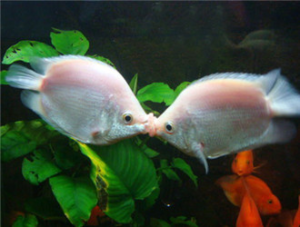
Kissing Gourami
The Kissing Gourami (Helostoma temminckii), also called the Kissing Fish, is a common, well-known tropical ornamental. Many think its 'kissing' shows love, but it is actually territorial fighting.
Arcuate Corydoras
The Arcuate Corydoras (Corydoras arcuatus), also called the Indian Cory, Arched-back Cory, or Arrow Cory, is a common, well-known cory species that is robust and easy to keep, and is well suited to schooling in the aquarium.
- « Previous
- 1
- 2
- 3
- 4
- Next »