Search Results
844 results for “dry eye”

Brown Roofed Turtle
The Brown Roofed Turtle (Pangshura smithii) is a relatively uncommon member of the roofed turtle genus, comprising two subspecies—the nominate Smith's roofed turtle and the white-footed roofed turtle, distinguished by the absence of black markings on its plastron. A semi-aquatic omnivore, it inhabits riverbed mud across the Indian subcontinent and enjoys basking.
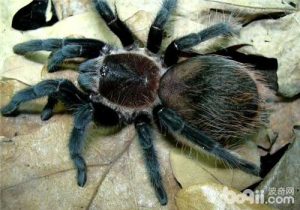
Brachypelma angustum
The Costa Rican redtail (Brachypelma angustum) is native to the rainforests of Costa Rica — also known as the Guatemala redtail spider. In both size and habitat it is very similar to the classic Mexican redleg. Adults reach a leg span of 15–16 cm.
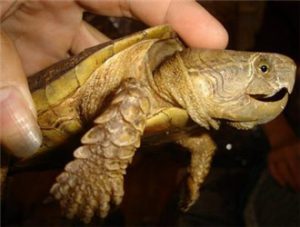
Big-headed Turtle
A bizarre, hook-beaked Asian turtle with a huge triangular head it cannot retract - wild-caught and protected, so captive-bred-only and for specialists.

FlemishGiant
The Flemish Giant is the largest domesticated rabbit breed in the world, originally from Belgium and recognized by the American Rabbit Breeders Association in seven coat colors. A gentle, docile, and hearty-eater companion that needs generous space and meticulous hygiene, it weighs 6–13 kg and lives around 5–8 years.
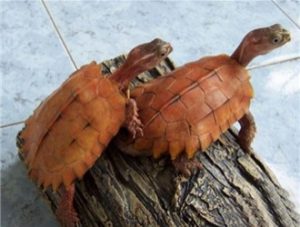
Black-breasted Leaf Turtle
A tiny, leaf-shaped turtle from southern China and Southeast Asia, famous for its golden carapace with twelve keels and notorious for being one of the hardest chelonians to keep.

Canine and Feline Otitis Media and Interna
Otitis media and interna are inflammation of the middle and inner ear, usually arising when severe outer-ear infection spreads inward. Left untreated, inner-ear disease can damage balance and facial nerves and, in the worst case, progress to meningitis.

Canine and Feline Ectropion: Symptoms, Treatment, and Prevention
Ectropion is the outward turning of the eyelid—usually the lower lid in dogs—leaving the eye exposed and prone to conjunctivitis and keratitis. Mild cases need eye care; severe cases need surgical correction.

Canine and Feline Eczema (Moist Dermatitis): Symptoms, Treatment, and Prevention
Eczema is a superficial skin inflammation in dogs and cats driven by allergy and weak skin defense, producing redness, vesicles, hair loss, and crusting. It is managed by relieving itch, calming inflammation, and keeping the environment clean.

Chemical Burns in Dogs and Cats
Chemical burns are skin injuries from strong acids, alkalis, or phosphorus. Acids cause a thick, dry, leathery scab; alkalis penetrate deeply; phosphorus keeps burning and glows in the dark. Immediate flushing and veterinary care limit tissue damage.

Carbon Monoxide Poisoning in Dogs and Cats
Carbon monoxide poisoning occurs when pets breathe gas from faulty heaters, car exhaust, or confined smoke. It binds to blood and starves tissues of oxygen, causing vomiting, weakness, bright-red gums, seizures, and coma. Move the pet to fresh air and get veterinary help at once.