Search Results
817 results for “dry coat”

Dog Ear Odor: Could It Be Ear Inflammation?
A dog's L-shaped ear canal makes infection easy, and odor often signals otitis. Inflammation ranges from outer (otitis externa) to middle and inner ear; left untreated, outer infection can progress to the middle ear and even cause hearing loss, loss of balance, or meningitis. Prevention is straightforward: keep ears dry after baths, pluck ear hair in floppy long-haired breeds, and clean weekly with a pet ear solution, never alcohol or peroxide. Regular parasite control also helps, since mites trigger ear infections.
Difference Between a Cat Hairball and Asthma
A hairball problem shows as frequent gagging and dry heaves, occasionally bringing up hair with the vomit; if it cannot be expelled it causes days without a stool, a hard dry belly, and a dull, rough coat. Feline asthma shows as a stretched neck, wide eyes, and a loud wheezing sound lasting seconds to minutes, with little response to calls or touch; it can progress to rapid, labored, open-mouth breathing that needs immediate medication.

How to Help Your Cat Learn to Tolerate Baths
To get a cat to accept baths, first understand why most cats hate water: they carry a water-aversion trait from ancestors that evolved in dry environments. A few breeds (Maine Coon, Turkish Van, Turkish Angora) are exceptions and may even enjoy water. You can acclimatize a cat by starting young, going slowly, and keeping it low-stress: play first to relax, use a container or the gentlest shower setting (most cats fear the spray noise), let the paws touch water first, protect the ears and eyes with cotton balls, dry quickly with a towel, and ramp the dryer from low to high. Never use your hands as toys, and consider a cat-washing bag if you fear scratches.

Essential Tips for Raising Healthy Rabbits
Rabbits are sensitive to their environment, and getting temperature, humidity, feed variety, and nighttime feeding right is essential to keeping them healthy. Their thick coat and weak sweat glands make it hard to release heat, so rabbits tolerate cold better than heat; a stuffy, humid hutch quickly leads to illness. Aim for about 20-27C, keep bedding dry, offer a varied diet instead of a single feed, and provide plenty of hay at night when rabbits are most active. These basics help prevent disease and support steady growth.
How do I remove lice from my dog?
If there are not yet many lice, first use a fine-tooth comb to remove some and relieve itching, then apply a selamectin- or fipronil-based topical parasite treatment (avoid bathing 3 days before and after). Keep the environment clean — wash and sun the dog's bedding and toys, and clean carpets and upholstery to prevent re-infestation.

Can You Bathe Your Dog in Winter? Yes—With These 3 Points
Winter bathing isn't forbidden—it's about method. Bathe too often or not at all both cause problems, and human products harm a dog's skin. Choose the warmest midday hour, preheat the room to 25–28°C, keep the whole wash to 10–15 minutes at 38–40°C water, then dry thoroughly. Rest indoors an hour or two before going out, and a warm, clean coat keeps your dog healthy and close to you.

How to Ease Acid Reflux in Dogs
If your dog dry-heaves after meals or brings up white foam or yellow fluid with foul breath, it may not be simple stomach upset—it could be acid reflux, or GERD. The stomach's lower valve relaxes and lets acid creep up the esophagus, which can inflame and even ulcerate over time. Diet changes, vet-guided medication, and a few lifestyle tweaks usually bring real relief.
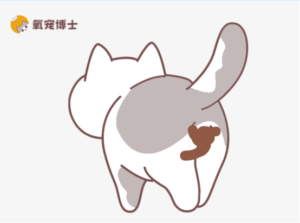
Kitten Always Has Poop Stuck on Its Fur?
Poop clinging to a kitten's rear fur almost always traces back to soft stool or diarrhea. The loose stool can come from diet, food allergy, parasites, flora imbalance, or underlying disease, while body shape, long hair, flat faces, and very young or old age make self-cleaning hard. Soften and wipe gently, then fix the root by firming the stool—and see a vet if soft stool persists.

Thinking of a Golden Retriever? Know This First
The Golden Retriever is smart, gentle, and friendly, and with training can work as a guide or search dog. But it sheds heavily, drools, has a strong odor, eats a lot, and needs at least 1–2 hours of exercise daily or it turns anxious and destructive. It's also prone to hip dysplasia, obesity, ear infections, and eye disease. Know the real commitment before you bring one home.

Why Does My Silver Shaded Cat Shed So Much?
The silver shaded is a British Shorthair with a dense double coat, so it simply has far more hair to lose than a single-coated cat—earning its 'walking dandelion' reputation. Shedding doubles in the spring and autumn molts and during the kitten-to-adult and spay/neuter hormone shifts. Daily brushing, infrequent baths, and good nutrition manage it; patchy or symmetric loss with skin changes means a vet visit.