Search Results
817 results for “dry coat”

Chinchilla Mite Infection vs Fungal Infection: How to Tell Them Apart
Both mite and fungal infections cause hair loss and red skin, but mite hair falls in root-level patches with much dandruff and can be fatal, while fungal loss is sparser and not life-threatening short-term. Treat mites with alcohol wipes, mite lotion, medicated dust, and ivermectin if severe; keep the cage dry and clean to prevent both.

How to Help Your Dog Through Winter
Winter care centers on warmth: a cozy bed out of drafts, heating pads under a towel below 21 C, dog clothes if thin-coated, and high-calorie food. Keep air moving, shift walks to warmer hours, bathe only monthly indoors, and guard against heater burns.

What to Watch for When Raising Dogs in Spring
Spring's high humidity and active parasites raise the risk of skin disease, colds, and stomach upset in dogs. Keep the coat dry, warm the dog after baths, add vitamins during the shedding season, and deworm monthly (pups) or every 2-3 months (adults).

Common Pet Rabbit Breeds and How to Care for Them
Rabbits are cute and quiet, and many people love them. But which breed makes the best pet? Here are common pet rabbit breeds and how to care for them.

Symptoms of Hookworm Infection in Dogs
Mild hookworm infection often shows no clear signs — mainly weight loss, pica and poor digestion. Severe cases bring pale mucous membranes, reduced appetite, vomiting, thin coat, arched back and even bloody stool. This article details canine hookworm disease.

Chinchilla Fur Care Tips
A chinchilla's dense coat is cleaned with dust baths, never water, and stayed healthy through balanced diet and regular care. Feed alfalfa for protein and amino acids and mulberry leaves for minerals, or a quality pellet matched to the individual; dust-bathe with fine volcanic-ash powder, adjusting frequency to humidity and the twice-yearly molts, since over-bathing dries the skin.

Symptoms and Treatment of Seborrheic Dermatitis in Dogs
Canine seborrheic dermatitis is linked to genetics, hormonal imbalance, nutritional deficiency and skin infection. Affected dogs often give off a distinct odor along with hair loss, mild itch, and greasy yellow buildup on the skin. This article explains the symptoms, causes and treatment.

Lop Rabbit Care Essentials
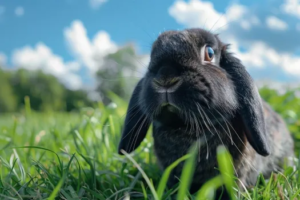
Lop rabbits make popular pets but need correct care. Buy a 2 to 3 month healthy one, feed pellets and hay as staples with small vegetable and fruit treats (none under 6 months), never meat or spicy food, and keep cats away to avoid toxoplasmosis. Litter-train early, walk at dusk on safe ground, keep 18 to 25°C, and groom, bathe monthly, and trim nails.
Preventing and Controlling Rabbit Colibacillosis
Rabbit colibacillosis (mucoid enteritis), caused by Escherichia coli, strikes weanling rabbits hardest with high death rates from watery, jelly-like diarrhea and dehydration. Prevention hinges on steady high-fiber feeding, clean dry housing, insect and rodent control, and feed-additive or vaccine prophylaxis.

How to Care for a Teddy (Poodle) and What to Watch
The Teddy (Poodle) is the smartest small dog — lively, gentle, loves interaction, and adapts fast, so it's a family favorite. But care needs attention or health issues arise. Here is how to keep one and the precautions.