Search Results
817 results for “dry coat”
What happens if I bathe my dog every day?
Bathing daily can harm a dog's health. While cleanliness matters, over-bathing strips the protective oils, drying skin and coat and causing allergies and itching that can lead to skin disease. Too-frequent baths can also raise stress, making the dog dislike or fear bathing. Generally, bathe once a week in summer and every 1-2 months in autumn and winter.
How do I bathe a Samoyed?
Prepare supplies, use 38-40°C water to knee level, wet the coat, apply white-coat shampoo, rinse, then towel- and blow-dry while combing to prevent mats.
What happens if a dog eats liver?
Eating a little liver occasionally can supplement vitamins, minerals, and fat and boost immunity, and vitamin A supports skin, coat, and eye health. But too much liver can cause digestive upset, obesity, and vitamin A toxicity.
Which Dogs Have Curly Hair?
Curly breeds include the Bichon, Poodle, and Schnauzer, plus rarer Welsh Terrier and Portuguese Water Dog. Brush twice daily and dry thoroughly after baths.
Why shouldn’t dogs use air conditioning?
It's not that they can't, but temperature and time must be controlled. Too-cold AC impairs temperature regulation and causes illness; low humidity dries skin and causes hair loss. Control duration and set proper temperature/humidity.
What happens if I bathe my cat?
Cats groom daily but still need baths; long without one lets dirt, oil, or parasites cause skin disease. Use cat shampoo and water about 40 C, gentle to avoid fright. After, dry and fully blow-dry the coat to avoid chills and colds.
My dog’s lower eyelid has been red, swollen, and peeling for days; cheek and arm also red with a scabbed wound and hair loss
Redness, swelling, and hair loss under the eye are usually skin disease, likely fungal infection or allergy from the photo. Use an Elizabethan collar to stop scratching, then get a vet microscopy of the hair to confirm. At home keep the area dry, clean discharge, use a Wood's lamp to rule out fungus, feed hypoallergenic food, avoid salty oily food, and apply iodine and erythromycin eye ointment, plus fish oil or lecithin for coat recovery.

Why Is Your Chinchilla’s Rear Fur Turning Yellow?
Yellowing fur on a chinchilla's rear is usually harmless — it comes from water or urine stains that oxidize when not wiped promptly. Clean with a warm damp cloth and dry, or trim the stained spot; prevent it with bath sand, a litter spot, and absorbent bedding.
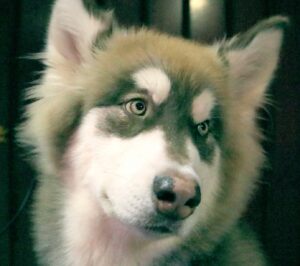
Canis lupus familiaris
The Tibetan Mastiff, also called the Tibetan Mastiff or 'Oriental God', is a giant mountain dog from the Qinghai-Tibet Plateau, recognized as the world's oldest and rarest breed and the only dog unafraid of wild beasts. Fierce yet loyal, it is used as a livestock, guard and military dog.
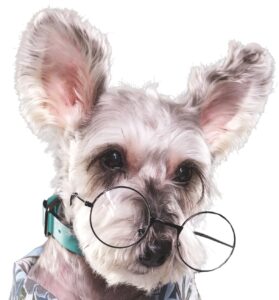
Schnauzer
The Schnauzer, also called the Schnauzer, originated in 15th-century Germany; its name means 'mustache' in German and it is the only terrier without British blood. Energetic and lively, it comes in three sizes: Standard, Miniature and Giant.